
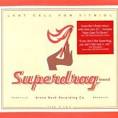
Breaking down the themes in Last Call For Vitriol by Superdrag
Last Call For Vitriol- Album Overview
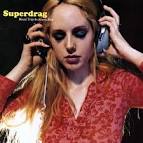
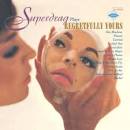
Released on August 25, 1998, "Last Call For Vitriol" is the third studio album by the American alternative rock band Superdrag. Following their well-received debut "Regretfully Yours" and the sophomore effort "Head Trip in Every Key," this album marks a pivotal point in the band's career as they sought to refine their sound while exploring deeper lyrical themes. Recorded at the legendary Ardent Studios in Memphis, Tennessee, the album showcases the band's collaboration with producer Bryce Goggin, known for his work with bands like Pavement and Phish. The album was released under the Elektra Records label and features a mix of power pop and alternative rock, a signature style that Superdrag had developed over the years. "Last Call For Vitriol" includes standout tracks such as "Sucked Out," which was the album's lead single and gained substantial radio play, contributing to the band's growing popularity. Other notable songs include "The Somnambulist," "I Don't Have a Right," and "The Art of the Underground." Thematically, the album delves into feelings of disillusionment, personal struggle, and the complexities of love and relationships, expressed through catchy melodies and poignant lyrics. The album's title itself suggests a commentary on societal issues and personal introspection, setting the stage for a rich listening experience. Its blend of upbeat instrumentation with darker lyrical content positions "Last Call For Vitriol" as a significant contribution to the late '90s alternative rock landscape.
Review
"Last Call For Vitriol" is a testament to Superdrag's ability to marry infectious melodies with introspective lyricism. The album opens with the powerful track "Sucked Out," which immediately captures the listener's attention with its catchy chorus and driving guitar riffs. Lyrically, the song speaks to feelings of alienation and the struggle to find one's place, themes that resonate throughout the album. The production quality is polished yet retains an organic feel, allowing the raw emotion in the vocals of lead singer John Davis to shine through. Musically, the album explores a variety of styles, from the upbeat "The Art of the Underground" to the more somber tones of "The Somnambulist." The juxtaposition between lively instrumentation and darker lyrical content creates a compelling dynamic that invites the listener to engage with the deeper meanings. Davis's songwriting showcases a blend of vulnerability and wit, drawing listeners into a world of personal reflection and societal critique. Overall, "Last Call For Vitriol" affirms Superdrag's place in the alternative rock scene of the late '90s, proving that they could create music that is both commercially appealing and artistically significant.
Highlights
- Catchy and memorable melodies that stick with the listener long after the album ends.
- Strong lyrical themes that explore personal and societal struggles.
- High-quality production that balances polish with raw energy.
Weak points
- Some tracks may feel less impactful compared to the standout singles.
- The album's darker themes may not resonate with all listeners.
- Occasional repetition in musical motifs across tracks.
Overall evaluation
"Last Call For Vitriol" is a strong entry in Superdrag's discography, reflecting their growth as artists while maintaining the catchy hooks and thoughtful lyrics that fans have come to love. The album captures a moment in the late '90s alternative rock scene, making it a worthwhile listen for both old fans and newcomers alike.
Personal rating: 8/10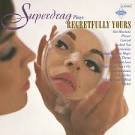 2014Jokers W / Tracers
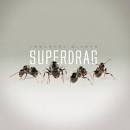 2009Industry Giants
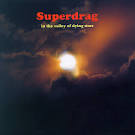 2000In The Valley Of Dying Stars
 1998Head Trip In Every Key
 1996Regretfully Yours