
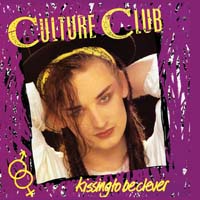
A closer look at Culture Club's album Kissing to Be Clever
Kissing to Be Clever- Album Overview
Released in 1982, "Kissing to Be Clever" marks the debut album of British new wave band Culture Club. The album was released by Virgin Records and produced by the band's frontman Boy George, along with Steve Levine. The recording sessions took place in various studios, with significant work done at The Townhouse in London. The album blends pop, rock, reggae, and soul, showcasing the eclectic influences that characterized the band's sound. "Kissing to Be Clever" features the iconic single "Do You Really Want to Hurt Me," which became a defining track for the band and helped propel them into international stardom. Other noteworthy tracks include "Time (Clock of the Heart)" and "I'll Tumble 4 Ya," both of which received considerable radio play and contributed to the album's overall success. The album charted well globally, reaching the top ten in multiple countries, including the UK and the US. The album's lyrical themes often touch on love, identity, and vulnerability, resonating with a diverse audience. It played a significant role in the cultural landscape of the early 1980s, not only for its catchy melodies but also for its embrace of androgyny and sexuality, which challenged societal norms of the time. The artistic vision was not only about the music but also about the visual presentation, with Boy George's unique style becoming emblematic of the New Romantic movement.
Review
"Kissing to Be Clever" serves as a vibrant testament to the innovative spirit of the early '80s music scene. The fusion of genres creates a sound that is both accessible and complex, with infectious hooks and groove-laden rhythms. Boy George's distinctive voice is a standout feature, effortlessly transitioning between soft crooning and powerful declarations, allowing for a rich emotional experience throughout the album. Lyrically, the songs delve into themes of love, heartache, and self-identity, often through a lens of vulnerability and introspection. Tracks like "Time (Clock of the Heart)" evoke a sense of nostalgia and longing, while "Do You Really Want to Hurt Me" confronts the complexities of relationships with poignant honesty. The artistic vision of Culture Club not only pushed musical boundaries but also made significant strides in the representation of LGBTQ+ identities in mainstream music. The production, handled by Levine, is polished yet retains a raw edge, capturing the essence of the band's live sound. Despite its polished finish, there is a certain grit that resonates, making the album feel authentic and relatable. Overall, "Kissing to Be Clever" stands as a landmark debut that laid the foundation for Culture Club's lasting legacy.
Highlights
- Iconic singles that defined the early '80s pop landscape.
- Eclectic sound blending various genres, showcasing musical versatility.
- Impactful lyrics that resonate with themes of love and identity.
Weak points
- Some tracks may feel dated to contemporary listeners.
- Production may overshadow the raw emotional depth in certain songs.
- Lack of musical experimentation compared to later works.
Overall evaluation
"Kissing to Be Clever" is a remarkable debut that not only launched Culture Club into stardom but also left an indelible mark on the music industry. Its infectious melodies and lyrical depth make it a timeless classic, even decades after its release. Personal rating: 8/10
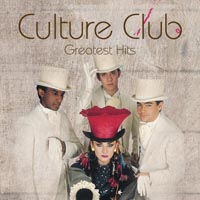 2018Life
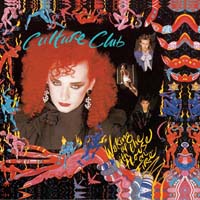 1984Waking Up With the House on Fire
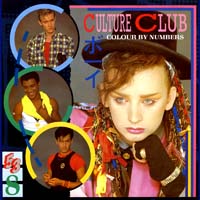 1983Colour by Numbers