
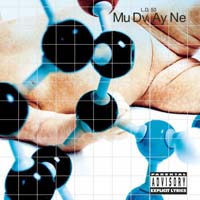
The evolution of Mudvayne in Kill, I Oughta
Kill, I Oughta- Album Overview
"Kill, I Oughta," released on April 3, 2000, is the sophomore studio album by the American heavy metal band Mudvayne. It was produced by the band alongside producer and engineer, David Bottrill, known for his work with Tool and Peter Gabriel. The album was released under the Epic Records label and marked a significant evolution in the band's sound, incorporating elements of progressive metal, groove metal, and alternative metal. Recording took place in several studios, including the famed Ocean Way Studios in Los Angeles, and the album showcases the band's technical musicianship and complex arrangements.
The album features standout tracks such as "Dig," which became a massive hit and helped propel the band into mainstream success, reaching the top of the Billboard Hot Mainstream Rock Tracks chart. Other notable tracks include "Death Blooms" and "Nothing to Gain," both of which exemplify Mudvayne's ability to blend heavy instrumentation with thought-provoking lyrics. The album's themes often delve into personal struggles and societal issues, reflecting the band's artistic vision and the growing nu-metal genre at the time.
"Kill, I Oughta" received a generally positive reception from critics and fans alike, noting its innovative sound and lyrical depth. The album was certified gold by the RIAA, solidifying Mudvayne's place in the metal scene and influencing a generation of bands that followed. The album's cover art, designed by guitarist Greg Tribbett, is also iconic, featuring a surreal depiction that complements the music's intensity. Overall, this album not only captures a pivotal moment in Mudvayne's career but also serves as a significant contribution to the early 2000s metal landscape.
Review
"Kill, I Oughta" is a testament to Mudvayne's technical prowess and creative ambition. The album's sound is a relentless blend of aggressive riffs, intricate bass lines, and dynamic drumming, all of which are complemented by Chad Gray's distinctive vocal delivery. Lyrically, the album traverses themes of anger, despair, and introspection, encapsulated in tracks like "Dig," where the band's message of self-empowerment resonates powerfully. The production by David Bottrill elevates the raw energy of the band's performances, giving each instrument a prominent place in the mix, allowing for an immersive listening experience.
The artistic vision behind this album is evident in its musical complexity, shifting from heavy, groove-driven sections into melodic interludes seamlessly. This fluidity showcases their growth as a band since their debut album, "L.D. 50," and sets the stage for their future explorations in sound. However, while the album excels in many areas, some listeners may find certain tracks overly complex or challenging to digest on first listen. Nevertheless, "Kill, I Oughta" is a bold statement from Mudvayne, marking them as innovators in a genre often criticized for its formulaic approach.
Highlights
- Intricate musicianship and production quality.
- Powerful and impactful lyrical themes.
- Standout singles that achieved commercial success.
Weak points
- Some tracks may be perceived as overly complex.
- Occasional lyrical ambiguity could alienate casual listeners.
- Production may overshadow some raw emotional elements.
Overall evaluation
"Kill, I Oughta" solidifies Mudvayne's status as a defining force in the early 2000s metal scene, showcasing their evolution and ambition. While it may present challenges for some listeners, the album ultimately rewards those willing to engage with its complexity.
Personal rating: 8/10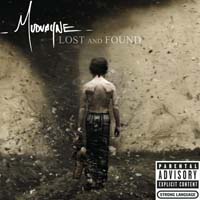 2005Lost and Found
 2002The End of All Things to Come
 2001The Beginning of All Things to End
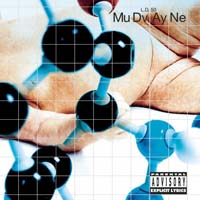 2000L.D. 50