ALBUM NOTESA closer look at Billie Holiday-Jumpin' for Joy's album Jumpin' for Joy
Album overview
Billie Holiday's album "Jumpin' for Joy" was released in 1941 under the Commodore label. This album stands as a significant representation of Holiday's unique vocal style and her ability to convey deep emotion through jazz. The recording sessions took place during a vibrant period in American music, where jazz was evolving, and artists were beginning to experiment with new forms and structures. Collaborators on the album included notable musicians such as Buck Clayton on trumpet, Eddie Heywood on piano, and other prominent names from the jazz scene of the time. "Jumpin' for Joy" features several tracks that highlight both Holiday's vocal prowess and her ability to interpret complex emotional themes. The title track, along with other songs like "I Don't Want to Cry Any More" and "My Man," showcases her signature blend of melancholy and joy, often reflecting the struggles and triumphs of African Americans during the early 20th century. The album not only contributes to Holiday's rich discography but also serves as a cultural artifact reflecting the socio-political landscape of its time.
Review
"Jumpin' for Joy" encapsulates the essence of Billie Holiday's artistry, blending her emotive vocal delivery with the intricate arrangements typical of early jazz. The album opens with the exuberant title track, immediately drawing listeners into its lively rhythm and Holiday's distinctive voice. Her ability to navigate complex melodies with ease is particularly evident in "I Don't Want to Cry Any More," where her nuanced phrasing and heartfelt expressions leave a lasting impact. Lyrically, the songs resonate with themes of love, loss, and resilience, beautifully mirroring the struggles of the era. The collaboration with top-tier jazz musicians elevates the production, ensuring that each track is both polished and authentic to the jazz genre. However, while the album is a testament to Holiday's talent, it also reflects the broader cultural movements of the time, capturing the spirit of joy amid adversity.
Highlights
- Billie Holiday's emotive vocal delivery that captures a wide range of feelings.
- The collaborative efforts with talented jazz musicians enhance the album's depth.
- Strong lyrical themes that resonate with personal and cultural struggles.
Weak points
- Some tracks may feel less impactful compared to Holiday's more famous works.
- The production style might appear dated to contemporary listeners.
- Limited commercial success compared to other albums from her career.
Overall evaluation
"Jumpin' for Joy" is a captivating showcase of Billie Holiday's artistry and an important piece of jazz history. While it may not reach the iconic status of some of her later works, it remains a significant exploration of joy and sorrow through music.
Personal rating: 8/10
```

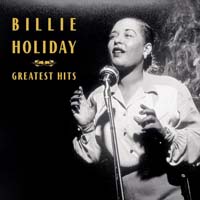 1968Billie Holiday's Greatest Hits
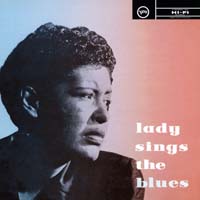 1956Lady Sings the Blues