

Inside the atmosphere of Peggy Lee's Is That All There Is?
Is That All There Is?- Album Overview
"Is That All There Is?" is a seminal album by American jazz and pop singer Peggy Lee, released in 1969 under the Capitol Records label. This album is pivotal not only in Lee's career but also in the broader landscape of popular music during the late 1960s. The title track, which Lee co-wrote with Jerry Leiber and Mike Stoller, became a defining song of her career, encapsulating existential themes of disillusionment and the search for meaning in life. The album was produced by the legendary Quincy Jones, who brought a lush orchestral arrangement that complemented Lee's sultry, emotive vocal style. The album features a mix of jazz, pop, and orchestral elements, showcasing Lee's versatility as an artist. In addition to the title track, it includes songs like "Something Good," "I Love Being Here With You," and "I’m a Woman," which highlight her ability to convey deep emotional resonance through music. The singles released from the album, especially the title track, received critical acclaim and helped solidify Lee's status as a major force in the music industry. Culturally, "Is That All There Is?" resonated with audiences during a time of significant social change, reflecting a sense of ennui that many felt in the wake of the counterculture movement. The album's introspective nature and its blend of genres have influenced countless artists and continue to be celebrated for their artistic depth and innovation. In 1970, the album was nominated for a Grammy Award, further cementing its importance in the jazz-pop canon.
Review
Peggy Lee's "Is That All There Is?" offers a compelling exploration of life's uncertainties wrapped in her signature smoky vocal delivery. The album's title track stands out as a masterclass in storytelling, where Lee's languid phrasing and the haunting orchestration create an atmosphere that is both melancholic and reflective. The lyrics poignantly express the feeling of searching for meaning in a seemingly indifferent world, making it a relatable anthem for many listeners. Musically, the album successfully fuses elements of jazz and pop, with Quincy Jones's production enhancing Lee's vocal prowess. Each track is meticulously arranged, allowing Lee's voice to weave seamlessly through lush strings and subtle brass. The contrast between her warm, inviting tone and the stark themes of disillusionment creates a captivating listening experience. Overall, the album captures a unique moment in time, where Lee's artistic vision aligns perfectly with the cultural sentiments of the era. It serves not just as a collection of songs, but as a poignant commentary on the human experience, making it an enduring work that continues to resonate with new generations.
Highlights
- Emotionally resonant lyrics that explore profound themes.
- Quincy Jones's lush orchestral arrangements enhance the overall sound.
- Peggy Lee's vocal delivery is both sultry and hauntingly beautiful.
Weak points
- Some listeners may find the overall mood too somber or introspective.
- The production style may feel dated to modern audiences.
- Not all tracks reach the same emotional depth as the title track.
Overall evaluation
"Is That All There Is?" stands as a landmark album that encapsulates Peggy Lee's artistic vision and the cultural zeitgeist of the late 1960s. Through its intricate arrangements and poignant themes, it remains a vital piece of musical history.
Personal rating: 9/10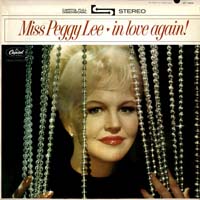 1964In Love Again!
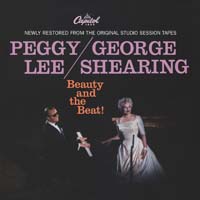 1959Beauty and the Beat!
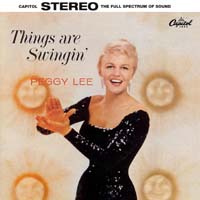 1958Things Are Swingin'
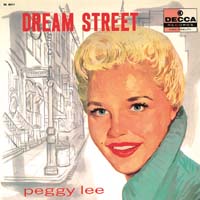 1957Dream Street
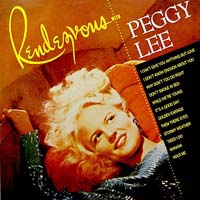 1948Rendezvous with Peggy Lee