
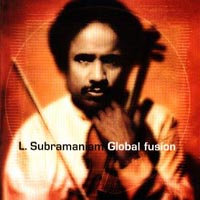
Indian Express by L Subramaniam: expectations vs reality
Indian Express- Album Overview
Released in 1985, "Indian Express" is a bold and pioneering album by the renowned Indian violinist and composer L. Subramaniam. This album was produced under the prestigious label, EMI, and embodies a fusion of classical Indian music with Western genres, particularly jazz and contemporary classical. Subramaniam, known for his virtuosity on the violin, collaborates with an array of musicians, showcasing a blend of traditional Indian instruments and Western orchestration. The recording took place in several studios, allowing Subramaniam to experiment with sounds and arrangements that highlight his unique style. The album consists of several tracks that reflect Subramaniam's artistic vision, where he seeks to bridge cultural divides through music. Notable tracks include "Raga Mishra Khamaj," which intertwines intricate Indian ragas with jazz improvisations, and "Indian Express," the titular track that sets the tone for the album’s exploration of cultural narratives. Although there were no standout singles released from the album, each track serves as a testament to Subramaniam's prowess and innovative approach to music-making. "Indian Express" holds a significant place in the history of world music, as it represents an era when Indian classical music was beginning to gain international recognition, thanks in part to artists like Subramaniam. The album not only showcases his technical skill but also serves as a cultural commentary, reflecting the synthesis of global music traditions. This project helped pave the way for future cross-cultural collaborations in the music industry, making it an essential listen for enthusiasts of both Indian and world music.
Review
L. Subramaniam's "Indian Express" is an ambitious and intricate album that exemplifies the artist's quest for musical dialogue between different cultures. The sound is a rich tapestry of Indian classical nuances intertwined with Western jazz elements, creating a unique listening experience. Subramaniam's violin takes center stage, effortlessly weaving through complex melodies and rhythms that showcase his virtuosity. The album's artistic vision is undeniably forward-thinking for its time, as it blurs the lines between genres while maintaining the integrity of Indian classical music. However, some may find the fusion elements to be disjointed, as the transitions between traditional and contemporary styles can feel abrupt. The lyrics, where applicable, often lack depth, focusing more on instrumental storytelling rather than lyrical narratives. Overall, "Indian Express" is an album that challenges listeners to reconsider their perceptions of cultural boundaries in music. While it may not resonate with everyone, it stands as a bold statement in the pursuit of a global music identity.
Highlights
- Innovative fusion of Indian classical and Western jazz elements.
- Masterful violin performances that showcase L. Subramaniam's virtuosity.
- Culturally significant album that contributed to the global recognition of Indian music.
Weak points
- Occasional abrupt transitions between musical styles may feel disjointed.
- Lyrical content lacks depth, focusing primarily on instrumental sections.
- May not appeal to listeners unfamiliar with the fusion genre.
Overall evaluation
"Indian Express" is a commendable effort by L. Subramaniam that successfully bridges cultural gaps through music. While it has its shortcomings, its innovative spirit and technical prowess make it a noteworthy contribution to the genre of world music.
Personal rating: 7/10