ALBUM NOTESInside In Search of Space by Hawkwind-In Search of Space
Album overview
Hawkwind's second studio album, "In Search of Space," was released in 1971, marking a pivotal moment in the evolution of space rock. The album was produced by the band and recorded at the famous AIR Studios in London, showcasing a unique blend of psychedelic rock, progressive rock, and electronic music. Released under the United Artists label, "In Search of Space" features a stellar lineup, including Dave Brock, Nik Turner, Lemmy Kilmister, and Del Dettmar, among others. The album is notable for its experimental soundscapes, which were innovative for the time, integrating synthesizers and effects that painted a cosmic auditory experience.
The album includes classic tracks such as "Master of the Universe," "You Shouldn't Do That," and "Born to Go," each contributing to the album's reputation as a cornerstone of the space rock genre. "In Search of Space" not only captured the essence of the early 70s counterculture but also set the groundwork for future genres and bands, influencing a multitude of artists in the realms of rock, metal, and electronic music. The album's thematic explorations of space and time reflect a deep fascination with the cosmos, making it a significant cultural artifact of its era.
Review
"In Search of Space" is a mesmerizing journey through the cosmos, encapsulating the ethos of the early 70s with its audacious sound and lyrical themes. The album opens with the dynamic "You Shouldn't Do That," a track that draws listeners into its swirling melodies and hypnotic rhythms. The use of synthesizers and effects creates a soundscape that feels both futuristic and organic, embodying the essence of space rock.
Lyrically, Hawkwind delves into themes of escapism and the exploration of consciousness, inviting listeners to contemplate the mysteries of the universe. The band's artistic vision blends the psychedelic and the progressive, creating a sonic tapestry that captivates and challenges. Lemmy’s distinctive bass lines and vocal contributions add a raw edge that complements the ethereal qualities of the other members' performances. The album's standout track, "Master of the Universe," epitomizes this blend, with its driving beat and cosmic lyrical imagery that resonate with the listener long after the music fades.
Highlights
- Innovative soundscapes that define the space rock genre.
- Strong thematic content exploring cosmic and existential concepts.
- Exceptional musicianship, particularly in the use of synthesizers and bass.
Weak points
- Some tracks may feel repetitive to modern listeners.
- The production quality, while innovative, shows its age in places.
- Not all songs achieve the same level of impact as the album's highlights.
Overall evaluation
"In Search of Space" is a groundbreaking album that continues to resonate with fans of progressive and psychedelic music. Its exploration of sound and theme set a high bar for future experiments in rock music. The album remains essential listening for anyone interested in the evolution of space rock.
Personal rating: 9/10
```


 2021Somnia
 1997Distant Horizons
 1995Alien 4
 1992Electric Tepee
 1990Space Bandits
 1988The Xenon Codex
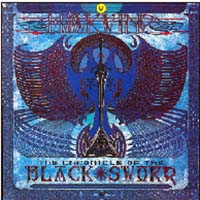 1985The Chronicle of the Black Sword
 1982Choose Your Masques
 1981Sonic Attack
 1979PXR5
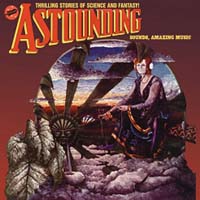 1976Astounding Sounds, Amazing Music
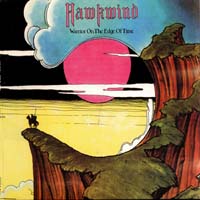 1975Warrior on the Edge of Time
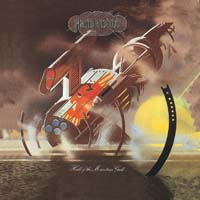 1974Hall of the Mountain Grill
 1972Doremi Fasol Latido
 1970Hawkwind