

The evolution of J.B. Lenoir in I Don't Know
I Don't Know- Album Overview
"I Don't Know," released in 1966, is a pivotal album in the career of J.B. Lenoir, an influential figure in the blues genre. This album was produced by the iconic label, Arhoolie Records, known for its commitment to preserving and promoting American roots music. Lenoir, who had a distinctive style that blended electric blues with socially conscious themes, used this album as a platform to explore deeper narratives surrounding personal struggles and societal issues. The recording took place in the tumultuous backdrop of the 1960s, a decade marked by civil rights movements and cultural upheaval, which deeply influenced Lenoir's songwriting. The album features a mix of original tracks and reimagined blues standards, showcasing Lenoir's unique guitar work and emotive vocal style. Collaborators on this album included prominent musicians of the time who contributed to its rich sound, although specific credits can be sparse given the era’s recording practices. Singles like "I Don't Know" and "Mama Talk to Your Daughter" highlight Lenoir's mastery of storytelling through music, addressing themes of love, loss, and the struggles of life. Musically, "I Don't Know" stands as a testament to Lenoir's innovative spirit, melding traditional blues with the burgeoning sounds of the 1960s, such as rock and soul, which made his work resonate with a broader audience. The album's cultural significance is underscored by its deep connection to the African American experience, reflecting the era's challenges while also celebrating resilience through music.
Review
The sound of "I Don't Know" is a fascinating blend of raw emotion and polished instrumentation, which reflects J.B. Lenoir's growth as an artist. The album opens with the titular track, where Lenoir's guitar riffs are both haunting and captivating, laying the groundwork for the deeply personal lyrics that follow. His lyrics are a mirror to the struggles of everyday life, infused with a sense of urgency that was particularly resonant during the 1960s. Lenoir's artistic vision on this album is evident; he seamlessly weaves together themes of despair, hope, and social commentary, making his work both timeless and timely. The production captures the essence of live performance, allowing his expressive voice to shine through while still maintaining a polished sound. However, some tracks may feel less impactful compared to the standout singles, but they still contribute to the overall narrative of the album. In "I Don't Know," Lenoir's evolution as an artist is palpable, showcasing his ability to transcend traditional blues boundaries while staying true to his roots. His fusion of genres and poignant storytelling invites listeners to reflect on their own experiences, making this album a significant chapter in the blues narrative.
Highlights
- Powerful storytelling that resonates with universal themes.
- Innovative blending of traditional blues with 1960s rock and soul influences.
- Emotive vocal delivery that captivates and engages listeners.
Weak points
- Some tracks may lack the impact of the standout singles.
- Production quality can vary, reflecting the era’s recording practices.
- Limited collaborator credits may leave some musicians underrecognized.
Overall evaluation
"I Don't Know" is a compelling testament to J.B. Lenoir's artistry and evolution as a blues musician. It captures the essence of a transformative era while highlighting Lenoir's unique voice and perspective. Personal rating: 8/10
 1970J.B. Lenoir
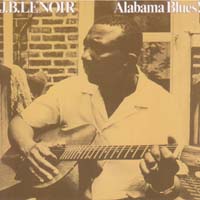 1965Alabama Blues