ALBUM NOTESInside J.B. Lenoir by J.B. Lenoir-J.B. Lenoir
Album overview
J.B. Lenoir's self-titled album, "J.B. Lenoir," released in 1965, is a cornerstone of the Chicago blues genre, showcasing a unique blend of traditional blues sounds with elements of rock and soul. Lenoir, born in Mississippi in 1929, was a prolific songwriter and performer who became a significant figure in the blues scene during the 1950s and 1960s. This album was recorded during a time of great cultural change and is a reflection of the social issues of the period, particularly concerning race and civil rights.
Produced by the renowned blues label, Arhoolie Records, "J.B. Lenoir" features a collection of tracks that highlight Lenoir's distinctive guitar playing and emotive vocal style. Collaborators include notable musicians such as drummer Fred Below and harmonica player Big Walter Horton, who add depth and authenticity to the album's sound. Key tracks include "Mama Talk to Your Daughter," which became one of Lenoir's most recognized songs, and "The Mojo," showcasing his ability to blend storytelling with poignant social commentary. The album's raw energy and heartfelt lyrics not only resonate with the struggles of the time but also helped pave the way for future generations of blues artists.
Lenoir's work has been influential, inspiring artists across various genres, and his songs continue to be covered by musicians today, underscoring his lasting impact on music.
Review
J.B. Lenoir's "J.B. Lenoir" is a powerful testament to the blues tradition, marked by an authenticity that speaks to both the heart and the mind. The album's sound is characterized by Lenoir's gritty guitar riffs and soulful vocals, which capture the essence of the blues while pushing its boundaries. His lyrics are poignant, often addressing the social injustices of his time, making the music not just entertaining but also a commentary on the human experience.
Lenoir's artistic vision is evident throughout the album, as he seamlessly fuses traditional blues with elements of rhythm and blues, creating a sound that feels both timeless and relevant. The production is raw yet polished, allowing the emotional weight of the songs to shine through. Tracks like "Mama Talk to Your Daughter" stand out, demonstrating Lenoir's storytelling prowess while showcasing his ability to connect with listeners on a personal level. Overall, the album captures the spirit of the 1960s blues scene, making it a significant work in Lenoir's discography and the genre as a whole.
Highlights
- Authentic blues sound with a modern twist
- Powerful and socially conscious lyrics
- Strong collaborations with notable blues musicians
Weak points
- Limited commercial appeal during its initial release
- Some tracks may feel repetitive to modern listeners
- Production quality may seem dated compared to contemporary standards
Overall evaluation
J.B. Lenoir's self-titled album is a remarkable entry in the blues genre, illustrating the artist's ability to blend poignant social commentary with captivating music. It remains a vital piece of blues history, revealing the struggles and triumphs of its time.
Personal rating: 8/10
```


 2003J.b. Lenoir, Sunnyland Slim And Friends: Live In &
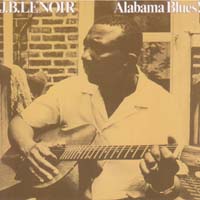 1965Alabama Blues