

Breaking down the themes in Howlin’ At The Moon by John Mayall
Howlin’ At The Moon- Album Overview
Released in 1997, "Howlin’ At The Moon" is a compelling studio album by British blues legend John Mayall. This album marked a significant addition to Mayall's extensive discography, showcasing his enduring passion for blues music that has spanned over five decades. Recorded under the label Eagle Records, the album features a mix of original compositions and reinterpreted classics that highlight Mayall’s prowess as a vocalist, songwriter, and multi-instrumentalist.
The recording sessions brought together a talented array of musicians, including guitarist Buddy Whittington, who has been a key collaborator with Mayall in recent years. The interplay between Whittington's guitar work and Mayall's expressive harmonica creates a rich tapestry of sound that is both innovative and rooted in traditional blues. The album consists of tracks that delve into themes such as love, loss, and the struggles of everyday life, all delivered with Mayall's signature storytelling flair. Notable tracks include "Crawling Up a Hill," which showcases Mayall's lyrical depth and musical versatility.
The album has gained recognition not only for its musicality but also for its cultural significance, as it reflects the ongoing evolution of the blues genre. Mayall's ability to adapt to modern sounds while honoring his roots has made "Howlin’ At The Moon" a vital entry in his catalog. The album resonates with both longtime fans and new listeners, reaffirming Mayall's status as a cornerstone of blues music.
Review
In "Howlin’ At The Moon," John Mayall delivers a masterclass in blues, combining traditional elements with a fresh, modern approach. The album opens with a vibrant energy that sets the tone for the exploration of profound themes throughout its runtime. Mayall's distinctive vocals are complemented by his skillful harmonica playing, creating a rich auditory experience that is both engaging and emotive. The lyrical content often reflects personal experiences, inviting listeners into the intimate narratives that have characterized Mayall's work over the years.
Musically, the album is well-rounded, with each track showcasing the individual talents of the band members while maintaining a cohesive sound. The production quality is polished yet retains the raw essence of blues, making it a standout in Mayall's oeuvre. While some may argue that the album leans heavily on familiar blues tropes, it is precisely this adherence to tradition that allows Mayall to connect with audiences on a deeper level.
Highlights
- Rich and authentic blues sound that pays homage to the genre's roots.
- Engaging and emotive storytelling through lyrics and musical composition.
- Strong performances by a talented group of musicians, particularly Buddy Whittington.
Weak points
- Some tracks may feel predictable to seasoned blues listeners.
- The production, while polished, may lack the raw edge that purists appreciate.
- A few songs could benefit from tighter arrangements or editing.
Overall evaluation
"Howlin’ At The Moon" is a testament to John Mayall's enduring legacy in the blues genre, encapsulating both his personal evolution and the broader cultural significance of the music. While it may have its shortcomings, the album ultimately serves as a celebration of the blues, inviting listeners to reflect on the timeless themes woven throughout.
Personal rating: 8/10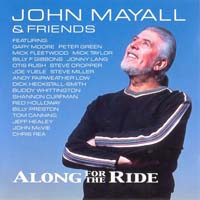 2001Along for the Ride
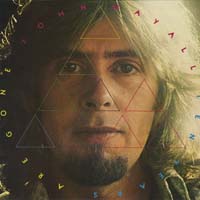 1973Ten Years Are Gone
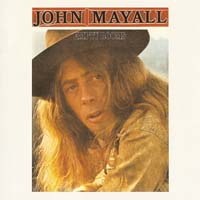 1970Empty Rooms