
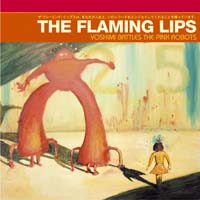
How The Flaming Lips shaped the sound of Hit to Death in the Future Head
Hit to Death in the Future Head- Album Overview
"Hit to Death in the Future Head" is the fourth studio album by the American rock band The Flaming Lips, released on July 21, 1992, through Warner Bros. Records. This album marked a significant point in the band's evolution, blending elements of alternative rock, psychedelic rock, and experimental sounds, which would define their later work. Produced by the band alongside David Fridmann, who would become a key collaborator for many of their subsequent albums, this record showcases the band's move towards a more refined yet adventurous sound. The recording sessions took place in various studios, including the famed Bearsville Studios in New York, allowing for a rich sonic palette. The album features a total of 12 tracks, with standout singles such as "She Don't Use Jelly" and "Moth in the Incubator." The former not only garnered significant radio play but also helped the band gain wider recognition, becoming an anthem of the 1990s alternative scene. Lyrically, the album is characterized by surreal imagery and a playful approach, which would become a hallmark of The Flaming Lips' songwriting. The album's cover art, created by artist George Kuchar, further emphasizes the whimsical and bizarre nature of the music within. Musically, "Hit to Death in the Future Head" is a tapestry of layered guitars, quirky sound effects, and unconventional song structures, reflecting the band's willingness to experiment. This album set the stage for The Flaming Lips’ later works, influencing the sound of not just their own discography, but also the broader landscape of alternative and indie rock in the 1990s and beyond.
Review
The Flaming Lips' "Hit to Death in the Future Head" is a kaleidoscopic journey through sound that challenges conventional rock norms. The band deftly fuses catchy melodies with avant-garde experimentation, creating a sonic experience that is both accessible and thought-provoking. Tracks like "She Don't Use Jelly" offer a jangly, infectious hook, while others, such as "Moth in the Incubator," delve into a more abstract and ethereal territory, showcasing the band's range. Lyrically, the album is a mix of whimsical storytelling and introspective musings, often delivered with a sense of humor that makes the surreal feel relatable. The production by Fridmann adds depth, using lush textures and layers that invite listeners to explore the nuances of each track. This artistic vision positions "Hit to Death in the Future Head" as a pivotal moment in The Flaming Lips' career, as it balances pop sensibilities with a desire to push boundaries, paving the way for their later, more celebrated works.
Highlights
- Innovative blend of alternative rock and psychedelic influences.
- Catchy and unforgettable single "She Don't Use Jelly."
- Rich, layered production that enhances the listening experience.
Weak points
- Some tracks may feel disjointed or overly experimental for casual listeners.
- Lyrical themes can be too abstract, potentially alienating some fans.
- Production style may not appeal to those preferring a more straightforward rock sound.
Overall evaluation
"Hit to Death in the Future Head" is an ambitious and eclectic album that showcases The Flaming Lips' knack for innovation in rock music. While it may not resonate with every listener, it undoubtedly laid the groundwork for their future successes and solidified their place in the alternative music scene.
Personal rating: 8/10 2014With a Little Help From My Fwends
 2013The Terror
 20117 Skies H3
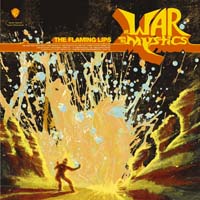 2006At War With the Mystics
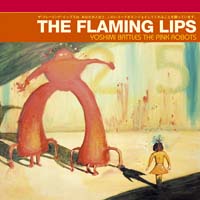 2002Yoshimi Battles the Pink Robots
 1999The Soft Bulletin
 1997Zaireeka
 1995Clouds Taste Metallic
 1993Transmissions From the Satellite Heart
 1990In a Priest Driven Ambulance
 1986Hear It Is