
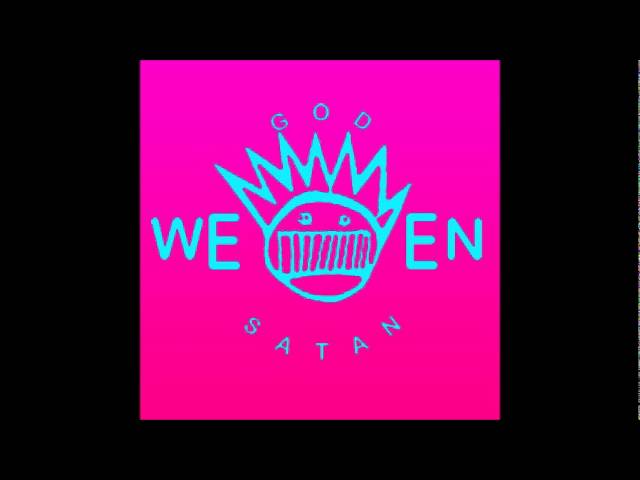
Ween – GodWeenSatan: The Oneness: a sonic journey
GodWeenSatan: The Oneness- Album Overview
"GodWeenSatan: The Oneness," released in 1990, is the debut studio album by the American alternative rock band Ween. The album was released under the East West Records label and showcases the eclectic style that would become a hallmark of the band. Recorded primarily in their home studio, the album reflects the youthful exuberance and experimental spirit of its creators, Aaron Freeman (Gene Ween) and Mickey Melchiondo (Dean Ween). Ween's unique blend of genres is on full display, ranging from rock and punk to country and funk, encapsulating the band's diverse musical influences.
The album contains notable tracks such as "Push th' Little Daisies," which became a minor hit and is one of the band's most recognizable songs. "GodWeenSatan" is often praised for its lo-fi aesthetic and raw energy, perfectly embodying the DIY ethos of early '90s alternative music. The album's title itself is a reflection of Ween's irreverent humor and their approach to music as a form of personal expression.
Collaborations on the album include contributions from various musicians, although it primarily features Ween's core duo. The production quality reflects the band's early stage, with a mix of polished and rough edges that contribute to its charm. "GodWeenSatan: The Oneness" has garnered a cult following over the years and is often cited as a significant work in the alternative rock genre, influencing countless artists and bands that followed. Its blend of sincerity and absurdity resonates with listeners, marking it as a pivotal piece in Ween's discography.
Review
The sound of "GodWeenSatan: The Oneness" is an adventurous tapestry woven from various musical threads. From the catchy hooks of "Push th' Little Daisies" to the dark, haunting tones of "Don't Get 2 Close (2 My Fantasy)," Ween displays an impressive range that keeps listeners engaged throughout the album. Lyrically, the album is a mix of playful absurdity and introspective moments, showcasing Freeman and Melchiondo's ability to balance humor with genuine emotion. This duality is particularly evident in tracks like "The Final Alarm," which encapsulates a sense of existential questioning wrapped in whimsical storytelling.
Artistically, the duo's vision is clear: to challenge conventions and push boundaries within the rock genre. Their willingness to experiment with different styles, tempos, and themes makes "GodWeenSatan" a compelling listen. The lo-fi production complements the rawness of the material, enhancing the album's authenticity and charm. Ween's approach to music as a playground for creativity rather than a strict adherence to genre norms is what sets this album apart and resonates with fans who appreciate the band's unique voice.
Highlights
- Eclectic mix of genres showcasing Ween's versatility.
- Memorable catchy hooks and playful lyrics.
- Strong sense of individuality and creative freedom in the music.
Weak points
- Lo-fi production may not appeal to all listeners.
- Some tracks may feel uneven or experimental to the casual ear.
- Limited mainstream recognition at the time of release.
Overall evaluation
"GodWeenSatan: The Oneness" stands as a testament to Ween's unconventional approach and artistic vision. It combines humor, experimentation, and sincerity in a way that few albums of its time could match. Though it may not resonate with everyone, its impact on alternative rock and its cult following speak volumes about its significance.
Personal rating: 8/10 2018Bananas And Blow
 2007La Cucaracha
 2003Quebec
 2000White Pepper
 1997The Mollusk
 199612 Golden Country Greats
 1994Chocolate and Cheese
 1992Pure Guava
 1991The Pod