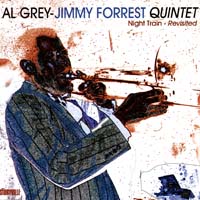
ALBUM NOTESFour Classic Albums: the next chapter for Jimmy Forrest
Four Classic Albums- Album Overview
Jimmy Forrest's "Four Classic Albums," released in 2016, is a compilation that celebrates the work of this influential jazz saxophonist. The album is a collection of four of his notable records from the 1950s, showcasing his contributions to the genre during a pivotal time in jazz history. The compilation includes "Jimmy Forrest Plays the Blues," "The Jazz Soul of Jimmy Forrest," "All the Way," and "The New Jimmy Forrest."
Forrest, who was known for his smooth, soulful sound, recorded these albums under Prestige Records, a label renowned for its significant impact on the jazz scene. The recordings were made during a period when the jazz landscape was evolving, with artists experimenting with new forms and styles. Collaborators on these projects included notable musicians such as McCoy Tyner and Elvin Jones, who would later gain fame as part of John Coltrane’s classic quartet.
The singles featured in these albums, especially tracks like "Night Train," became jazz standards, solidifying Forrest's place in the genre. His ability to blend blues with jazz elements created a unique sound that resonated with audiences and contributed to the growing popularity of jazz in mainstream culture. This compilation not only serves as a retrospective of Forrest's career but also highlights the cultural significance of jazz during a transformative era for American music.
Review
"Four Classic Albums" captures the essence of Jimmy Forrest's artistic vision, combining technical skill with emotional depth. The tracks on this compilation reveal a range of influences, from the blues-infused melodies to the improvisational elements characteristic of jazz. Forrest's expressive tone on the saxophone is a standout feature, allowing listeners to connect with the music on a visceral level.
Critically, the album reflects a transitional phase in jazz, where traditional forms were being challenged and redefined. Forrest's work exemplifies this shift, showcasing his ability to engage with both the established norms and the emerging avant-garde movements. The lush arrangements and vibrant rhythms encourage listeners to explore the complexities of jazz while also appealing to those who appreciate its more accessible elements.
Overall, the compilation serves not only as a showcase of Forrest’s talent but also as a historical document of a vibrant era in jazz. His ability to merge different musical styles and influences marks him as a pivotal figure in the genre, making "Four Classic Albums" an essential listen for jazz enthusiasts and newcomers alike.
Highlights
- Forrest's soulful saxophone tone, which captivates throughout the albums.
- The blend of blues and jazz elements that create a rich listening experience.
- The historical significance of the recordings in the context of jazz evolution.
Weak points
- Some tracks may feel dated to contemporary listeners unfamiliar with classic jazz.
- The compilation format may lead to uneven pacing across the albums.
- Limited original compositions; many tracks are covers of established standards.
Overall evaluation
"Four Classic Albums" is a testament to Jimmy Forrest's enduring legacy in jazz music, offering a comprehensive look at his influential career. While it may not appeal to every modern listener, the album remains a vital part of jazz history.
Personal rating: 8/10