ALBUM NOTESIs Fables of the Reconstruction R.E.M.'s best work yet?
Fables of the Reconstruction- Album Overview
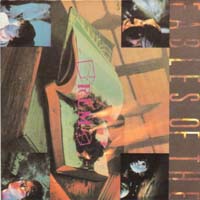
Fables of the Reconstruction, released on April 5, 1985, marks R.E.M.'s third studio album and represents a significant evolution in the band's sound and lyrical composition. Produced by Joe Boyd, known for his work with artists like Fairport Convention and Nick Drake, this album was recorded in two different locations: the famous John Keane Studios in Athens, Georgia, and the more eclectic surroundings of the London-based Abbey Road Studios. The album was released under the I.R.S. Records label, contributing to R.E.M.'s growing reputation in the alternative rock scene.
The album features a blend of jangle pop and folk-rock, showcasing the band's characteristic sound while introducing more complex themes and narratives. The tracklist includes standout songs such as "Driver 8," "Can't Get There from Here," and "Life and How to Live It," which received airplay and critical acclaim. Notably, "Can't Get There from Here" became the album's most recognizable single, representing a shift towards a more mainstream sound while retaining the band's signature indie ethos.
Thematically, Fables of the Reconstruction explores Southern identity, mythology, and social commentary, often reflecting the band's experiences and observations. The album is also notable for its rich instrumentation and layered production, which created an atmospheric sound that resonated with listeners. Released during a pivotal time in the 1980s, it played a significant role in shaping the alternative rock movement and influenced countless musicians in the years that followed.
Review
Fables of the Reconstruction is a complex tapestry of sound and meaning, showcasing R.E.M.'s artistic growth while firmly rooting them in the alternative rock genre. The album's melodies are often haunting, with Michael Stipe's distinctive vocal delivery adding a layer of emotional depth to the lyrics. The band's experimentation with instrumentation—introducing mandolins and other folk elements—creates an engaging listening experience that invites repeated plays.
Lyrically, the album is rich with imagery and metaphor, reflecting Stipe's penchant for oblique storytelling. Tracks like "Driver 8" invite listeners to ponder the deeper meanings behind the words, while "Life and How to Live It" tackles the complexities of existence with a blend of optimism and realism. This juxtaposition of upbeat melodies with thought-provoking lyrics is a hallmark of R.E.M.'s style, and Fables of the Reconstruction is no exception.
The production by Joe Boyd allows the diverse sounds of the album to shine, balancing clarity with a warm, organic feel. The mix of electric and acoustic elements creates a soundscape that feels both expansive and intimate, drawing the listener into R.E.M.'s world. Overall, the album is a testament to the band's ability to innovate while staying true to their roots.
Highlights
- The intricate blend of folk and rock elements enhances the album's unique sound.
- Stipe's compelling lyrics invite deep interpretation and emotional connection.
- The production quality showcases the band's musical evolution and ambition.
Weak points
- Some listeners may find the album's more experimental tracks less accessible.
- The pacing can feel uneven, with certain tracks overshadowing others.
- Its departure from the straightforward sound of earlier albums might alienate purist fans.
Overall evaluation
Fables of the Reconstruction is a bold and ambitious work that solidifies R.E.M.'s position in the alternative rock landscape of the 1980s. While it may not be the most accessible entry point for new listeners, its depth and complexity reward those willing to engage with it fully. The album stands as a significant milestone in the band's discography, representing both a creative peak and a pivotal moment in their artistic journey.
Personal rating: 8/10

 2011Collapse Into Now
 2008Accelerate
 2004Around the Sun
 2001Reveal
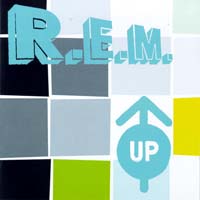 1998Up
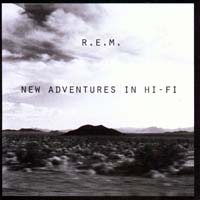 1996New Adventures in Hi-Fi
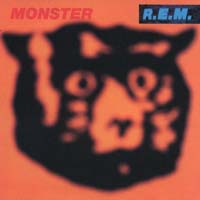 1994Monster
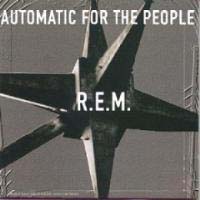 1992Automatic for the People
 1991Out of Time
 1988Green
 1987Document
 1986Lifes Rich Pageant
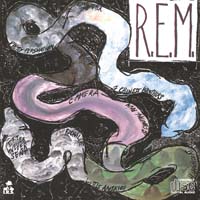 1984Reckoning
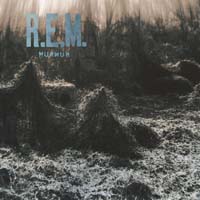 1983Murmur