
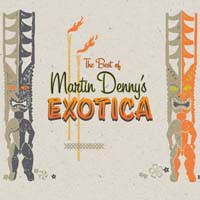
One week with Exotica Vol. Iii: thoughts on Martin Denny
Exotica Vol. Iii- Album Overview
"Exotica Vol. III," released in 1963, is one of the key albums by Martin Denny, a pivotal figure in the exotica genre. Denny’s music is characterized by its lush, tropical instrumentation, blending jazz with various global influences. This album was released under the Liberty Records label, a significant player in the music industry during the 1960s, known for promoting innovative sounds.
Denny, often dubbed the "father of exotica," crafted a unique atmosphere through his use of exotic instruments, including the marimba, vibraphone, and various percussion instruments. The album features a mix of original compositions and arrangements that transport listeners to a lush, tropical paradise. Collaborators on this project included talented musicians who contributed to the multi-layered soundscapes Denny is known for.
The tracklist includes memorable pieces such as "Theme from 'The Three Worlds of Gulliver'" and "Quiet Village," both of which encapsulate the allure of the exotica movement. The album’s release came at a time when the fascination with the South Pacific and other exotic locales was at its peak, highlighted by the popularity of tiki culture in mid-century America. Denny’s work not only provided a soundtrack for the era but also helped define a genre that celebrated escapism through music.
"Exotica Vol. III" stands as a testament to Denny's artistic vision and ability to create immersive auditory experiences that resonate with listeners. Its significance is underscored by its continued influence on contemporary music, inspiring generations of artists who seek to evoke a sense of place and atmosphere in their work.
Review
The sound of "Exotica Vol. III" is rich and immersive, blending lush instrumental arrangements with a sense of playfulness that invites listeners to escape into a vivid world of imagination. Denny’s signature use of exotic instruments creates a distinct sound palette, one that is both soothing and invigorating. The album flows seamlessly, with each track transitioning smoothly into the next, maintaining a cohesive thematic experience.
While the instrumentation takes center stage, the arrangements are carefully crafted, showcasing Denny's keen ear for melody and rhythm. The album does not rely on lyrics, allowing the music to speak for itself, which is a hallmark of the exotica genre. This absence of vocal distraction allows listeners to fully engage with the intricate musical textures that Denny and his ensemble create.
Artistically, Denny captures the spirit of exploration and curiosity that defined the 1960s, reflecting a cultural moment that sought new experiences and sensations. His ability to merge various musical influences into a unified sound is a testament to his creativity and vision. Overall, "Exotica Vol. III" is both a nostalgic journey and a timeless piece of art that continues to resonate with fans of instrumental and world music.
Highlights
- The lush, immersive instrumentation that defines the exotica genre.
- Seamless transitions between tracks, creating a cohesive listening experience.
- The ability to evoke vivid imagery and emotions without the use of lyrics.
Weak points
- Some tracks may feel repetitive to listeners unfamiliar with the genre.
- Lack of vocal elements may not appeal to those who prefer lyrical storytelling.
- Occasional reliance on cliches associated with the exotica sound.
Overall evaluation
"Exotica Vol. III" is a significant contribution to the exotica genre, showcasing Martin Denny's innovative use of instrumentation and thematic depth. It transports listeners to a world of tropical sensations and musical exploration. A classic album that remains relevant and enjoyable today.
Personal rating: 8/10 1956Exotica