
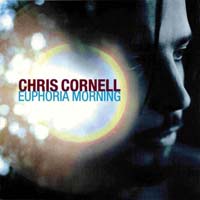
Diving deep into Euphoria Mourning by Chris Cornell
Euphoria Mourning- Album Overview
Released on September 21, 1999, "Euphoria Mourning" marks Chris Cornell's first solo studio album following his tenure with the iconic grunge band Soundgarden. The album was released under the A&M Records label and represents a sonic departure from Cornell's previous work, showcasing a more introspective and acoustic-driven sound. The recording sessions took place primarily in Seattle, Washington, where Cornell collaborated with producer Adam Kasper, known for his work with Nirvana and Foo Fighters. This diverse collaboration added layers of richness to the album, blending elements of alternative rock, acoustic rock, and even folk influences.
The album features a total of 12 tracks, with notable singles such as "Can't Change Me" and "Preaching the End of the World" highlighting Cornell's lyrical depth and vocal prowess. Thematically, "Euphoria Mourning" delves into complex emotions, exploring themes of love, loss, and existential reflection. Critics praised Cornell's ability to convey vulnerability through his songwriting, which resonates with listeners on a profound level. The album's sound is characterized by its haunting melodies, intricate guitar work, and Cornell's signature powerful vocals, creating an emotive listening experience.
"Euphoria Mourning" has earned a significant place in Cornell's discography, often regarded as a hidden gem that showcases his artistic vision outside of the mainstream rock scene. It reflects a transitional phase in his career, setting the stage for future explorations in both solo projects and collaborations. The album's cultural significance lies not only in its musical innovation but also in its impact on the alternative rock landscape of the late '90s, influencing a generation of musicians and fans alike.
Review
"Euphoria Mourning" presents a stark contrast to the heavier sound of Soundgarden, embracing a more stripped-down and poignant aesthetic that showcases Chris Cornell's extraordinary vocal range and songwriting skills. The album opens with "Can't Change Me," a track that not only sets the tone but also encapsulates the essence of Cornell's introspection. The lyrics reflect a struggle between self-acceptance and the desire for change, a recurring theme throughout the album.
The musical arrangements are thoughtfully crafted, with the acoustic guitar providing a warm foundation that allows Cornell's voice to soar. Tracks like "When I'm Down" and "Steel Rain" reveal a sense of vulnerability, with Cornell's lyrics painting vivid emotional landscapes that resonate deeply with listeners. His ability to convey raw emotion is particularly evident in "Preaching the End of the World," where the juxtaposition of haunting melodies and poignant lyrics creates a powerful listening experience.
Overall, "Euphoria Mourning" is a testament to Cornell's artistry, showcasing his willingness to explore new musical territories while remaining true to his roots. This album is not only a significant entry in his catalog but also a vital piece of the late '90s alternative rock narrative, capturing a moment of deep personal reflection and artistic evolution.
Highlights
- Rich, introspective lyrics that resonate on a personal level.
- Chris Cornell's powerful and emotive vocal performance.
- Thoughtfully crafted musical arrangements that blend acoustic and alternative rock elements.
Weak points
- The departure from heavier rock may not appeal to all Soundgarden fans.
- Some tracks may feel overly somber for casual listeners.
- Limited commercial success compared to his work with Soundgarden.
Overall evaluation
"Euphoria Mourning" stands as a compelling exploration of Chris Cornell's artistic depth, merging vulnerability with musical sophistication. It is a powerful testament to his abilities as a solo artist, deserving of recognition in the annals of alternative rock history.
Personal rating: 8.5/10 2007Carry On
 1999Euphoria Morning