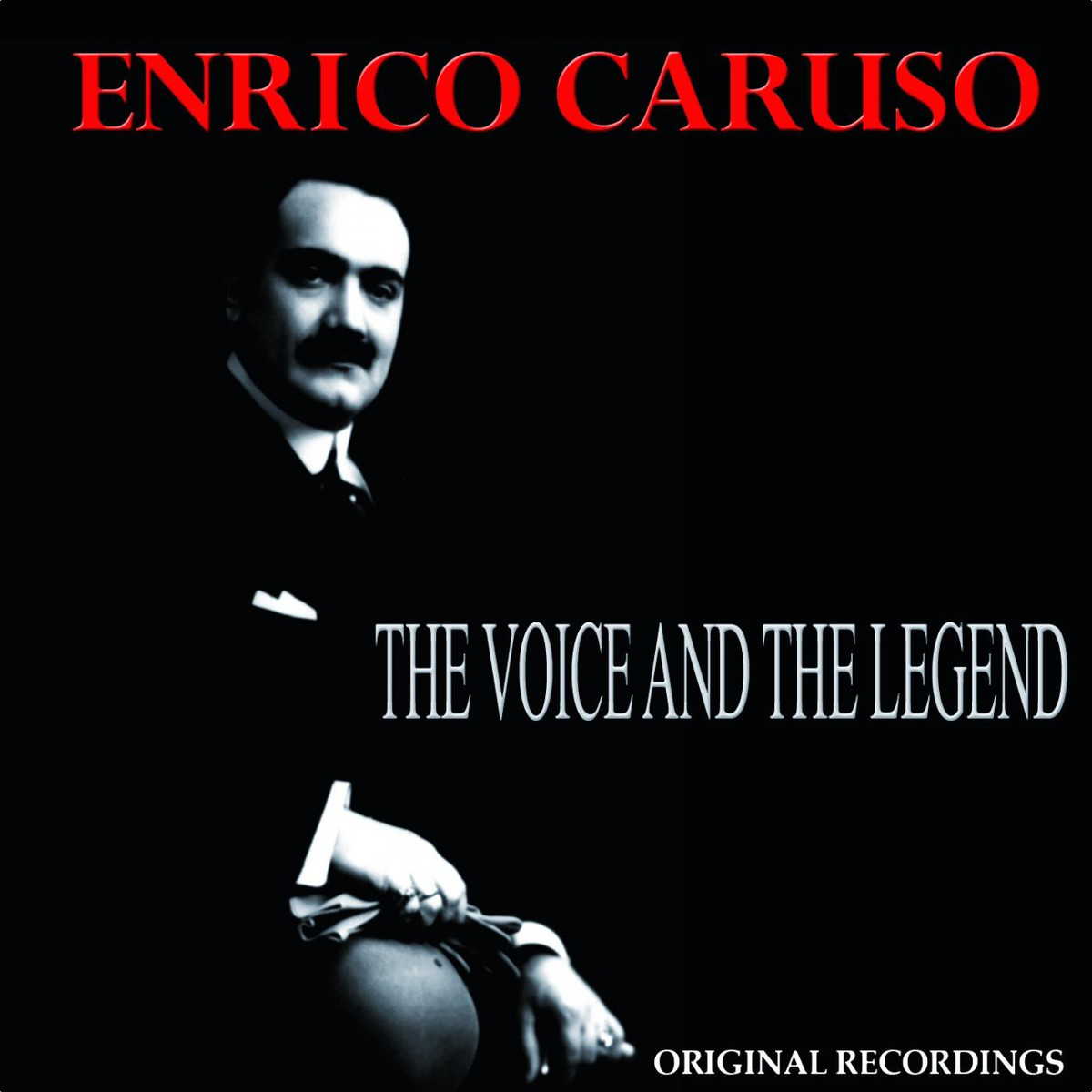
ALBUM NOTESOne week with Enrico Caruso: thoughts on Enrico Caruso
Enrico Caruso- Album Overview
Enrico Caruso, released in 1904, is a seminal album that captures the extraordinary talent of the legendary Italian tenor, Enrico Caruso. This album was released under the Gramophone label and features a collection of arias and songs that showcase Caruso's extraordinary vocal range and emotive power. The recordings were made during an era when the phonograph was revolutionizing music consumption, allowing Caruso's voice to reach audiences far beyond the opera house.
The album features a selection of pieces from operas such as "La Bohème" and "Carmen," alongside popular Neapolitan songs. Caruso's collaborators on these sessions included some of the finest orchestras of the time, and his ability to convey deep emotion through his voice was unparalleled. His recordings were some of the first to be commercially successful, paving the way for future opera singers and setting a high standard for vocal performance in recorded music.
Caruso's influence extended beyond the realm of classical music; he became a cultural icon, celebrated not just for his voice, but also for his persona, which resonated with audiences around the world. The album, while a product of its time, represents a significant moment in the history of music, reflecting a shift in how music was produced and consumed in the early 20th century.
Review
Listening to "Enrico Caruso," one cannot help but marvel at the sheer power and clarity of Caruso's voice. His ability to navigate complex arias with both technical precision and emotional depth is awe-inspiring. The recordings, albeit from over a century ago, still possess a vivid presence, showcasing the brilliance of early 20th-century vocal technique. Each track on the album reveals different facets of Caruso's artistry, from the dramatic expressiveness of "Vesti la giubba" to the tender melancholy found in "Addio, del passato."
The sound quality, while reflective of its time, offers a raw and authentic listening experience that modern productions sometimes lack. Caruso's interpretations are imbued with a dramatic flair that transports listeners to the operatic stage, making it easy to understand why he became such a beloved figure in both the music industry and popular culture. The album serves not only as an introduction to Caruso's work but also as a testament to the enduring power of the human voice in music.
Highlights
- Caruso's extraordinary vocal range and emotive performances.
- The album's historical significance in the evolution of recorded music.
- Rich selection of classical and popular pieces that showcase Caruso's versatility.
Weak points
- Sound quality may be challenging for modern listeners accustomed to high fidelity.
- Limited variety in musical styles compared to contemporary albums.
- Some tracks may feel dated, reflecting the era's recording techniques.
Overall evaluation
"Enrico Caruso" stands as a vital piece of music history, encapsulating the brilliance of one of opera's greatest tenors. While some aspects may feel dated, the emotional depth and vocal mastery on display are timeless.
Personal rating: 9/10