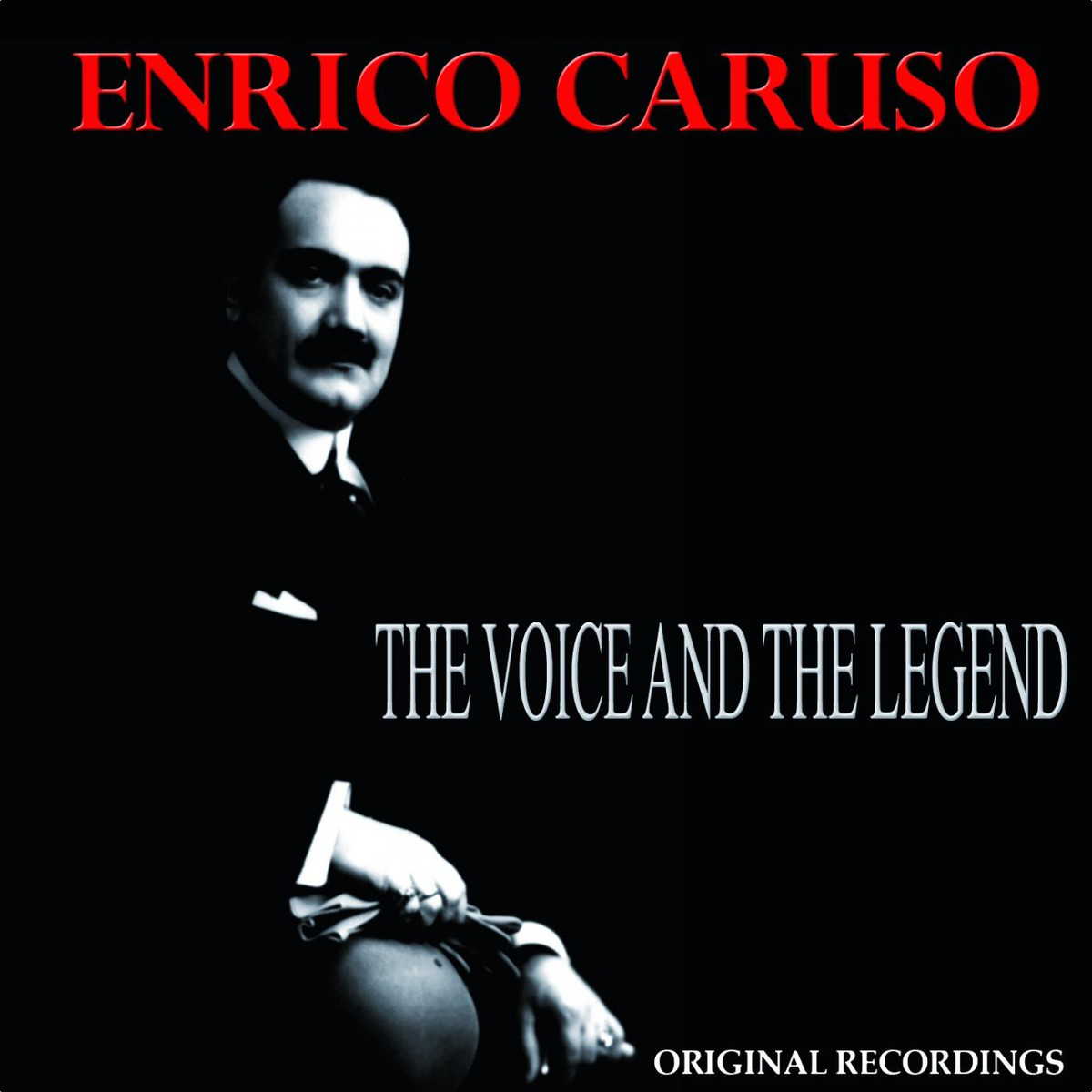
ALBUM NOTESThe evolution of Enrico Caruso in Enrico Caruso Edition Vol.4 Giuseppe Verdi 1902 -1
Enrico Caruso Edition Vol.4 Giuseppe Verdi 1902 -1- Album Overview
The album "Enrico Caruso Edition Vol.4 Giuseppe Verdi 1902 -1," released in 2000, is a significant entry in the ongoing re-evaluation of the legacy of one of opera’s most revered tenors, Enrico Caruso. This edition is part of a comprehensive collection that showcases Caruso's interpretations of Giuseppe Verdi's operatic works, recorded during a transformative period in Caruso's career. The recordings in this volume were originally made between 1902 and 1903, capturing the tenor's vocal prowess at a time when he was transitioning from the opera houses of Europe to the concert stages of America.
Released by Bongiovanni, the album features a selection of arias from Verdi’s most celebrated operas. Caruso's collaborations with noteworthy conductors and orchestras of his time, alongside the innovative recording techniques available in the early 20th century, allowed for the preservation of his remarkable vocal qualities. The recordings include iconic pieces such as "La donna è mobile" from "Rigoletto" and "Celeste Aida" from "Aida," showcasing Caruso's ability to convey deep emotion and technical skill.
This volume not only documents Caruso's extraordinary talent but also reflects the cultural zeitgeist of the early 1900s, an era that was witnessing the burgeoning popularity of recorded music. As one of the first stars of the recording industry, Caruso’s work in these recordings helped to shift the perception of opera from a theatrical experience to a more accessible form of entertainment, influencing generations of future singers and artists.
Review
Listening to "Enrico Caruso Edition Vol.4 Giuseppe Verdi 1902 -1" is akin to stepping back in time to experience the golden age of operatic performance. Caruso's voice is nothing short of mesmerizing, characterized by its rich timbre and powerful delivery. The recordings, while technically limited by the era's technology, capture an authenticity and raw emotion that resonate even today.
The artistry displayed in his renditions of Verdi's works is profound; Caruso imbues each aria with a sense of urgency and passion that transports the listener. His interpretation of "La donna è mobile" is particularly noteworthy, highlighting his agility and ability to convey the playful yet poignant nature of the character.
However, the sound quality, while impressive for its time, may sound dated to modern ears. The limitations of early recording techniques sometimes obscure the finer nuances of Caruso's voice. Despite this, the emotional impact of the performances shines through, making the album a valuable historical artifact that offers insight into Caruso's artistic vision.
Highlights
- Caruso's unmatched vocal power and emotional expressiveness.
- Historical significance in showcasing early 20th-century operatic performance.
- Exceptional repertoire featuring some of Verdi's most beloved arias.
Weak points
- Sound quality may be less appealing to contemporary listeners.
- Lack of modern orchestration and arrangement might not resonate with all audiences.
- Limited contextual information on the recordings within the album notes.
Overall evaluation
"Enrico Caruso Edition Vol.4 Giuseppe Verdi 1902 -1" serves both as a celebration of Caruso's extraordinary talent and as an essential document of operatic history. While the sound may feel archaic, the emotional depth and artistry present in these recordings make it a must-listen for anyone interested in the evolution of opera.
Personal rating: 8/10