
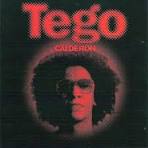
Why Tego Calderon's El Que Sabe, Sabe matters
El Que Sabe, Sabe- Album Overview
Tego Calderón's El Que Sabe, Sabe was released in 2003 under the label Los Zafiros, marking a significant milestone in the reggaeton genre. This album not only showcased Calderón's unique style but also played a crucial role in popularizing reggaeton beyond Puerto Rico, making waves across Latin America and the United States. The recording sessions involved a collaborative effort with notable producers and artists, including Luny Tunes, who were pivotal in shaping the reggaeton sound of the early 2000s.
The album features a blend of reggaeton, hip-hop, and traditional Afro-Caribbean rhythms, reflecting Calderón's diverse musical influences. With tracks like "Pa' Que Retozen" and "Los Matadores," Calderón's lyrical prowess shines through as he addresses themes of identity, resistance, and social issues, resonating with a broad audience. The title track, "El Que Sabe, Sabe," became an anthem, emphasizing the saying that knowledge is power, and it encapsulates Calderón's artistic vision and cultural significance.
Singles from the album received significant airplay and contributed to the burgeoning popularity of reggaeton in the early 2000s. The album not only solidified Calderón's status as a leading figure in the genre but also laid the groundwork for future artists. His innovative approach and genuine representation of Afro-Puerto Rican culture helped to elevate the genre, making it a powerful voice for the Latino community. Overall, El Que Sabe, Sabe serves as a landmark album that captures the spirit of its time while pushing the boundaries of reggaeton music.
Review
The sound of El Que Sabe, Sabe is a vibrant tapestry of beats, melodies, and rhythms that showcase Tego Calderón's artistry. His flow is both fluid and dynamic, effortlessly melding with the infectious reggaeton beats. The production quality is exceptional, with Luny Tunes providing a polished yet authentic sound that has become a hallmark of the genre. Lyrically, Calderón stands out for his ability to weave complex narratives into catchy hooks, making his music both accessible and profound. His verses often reflect a deep sense of cultural pride and social commentary, elevating the album beyond mere party anthems.
Calderón's artistic vision is clear throughout the album; he is not just a performer but a storyteller who uses his platform to highlight the struggles and triumphs of his community. The tracks are imbued with a sense of urgency and authenticity, making them resonate with listeners on multiple levels. While the album is rooted in reggaeton, it also draws from other genres, showcasing Calderón's versatility and willingness to experiment with sound.
Highlights
- Innovative fusion of reggaeton with Afro-Caribbean rhythms and hip-hop elements.
- Strong lyrical content that addresses social issues and cultural identity.
- Exceptional production quality, particularly from collaborative efforts with Luny Tunes.
Weak points
- Some tracks may feel repetitive in terms of lyrical themes.
- Not all listeners may appreciate the blend of genres, which can be polarizing.
- Occasional reliance on party-centric tracks that overshadow deeper messages.
Overall evaluation
In conclusion, Tego Calderón's El Que Sabe, Sabe stands as a pivotal album in the reggaeton movement, showcasing the genre's potential for artistic expression. With its rich production, meaningful lyrics, and cultural significance, the album has left a lasting impact on both the music industry and the Latino community.
Personal rating: 9/10 2003El Abayarde