ALBUM NOTESLitfiba experiments boldly on El Diablo
El Diablo- Album Overview
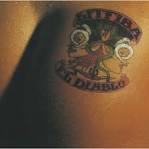
El Diablo, released in 1990, marked a significant evolution in the Italian rock band Litfiba’s sound and artistic direction. This album was produced by the band members alongside the renowned producer Gianni Maroccolo, known for his studio expertise and contributions to the new wave and post-punk scenes. Released under the label CGD, El Diablo showcases a blend of rock, new wave, and elements of world music, which helped to establish Litfiba as a formidable force in the Italian music landscape.
The album features a notable collaboration with various musicians, including keyboardist and guitarist Federico Rimbotti, whose contributions added depth to the tracks. The singles from the album, particularly "El Diablo" and "Cangaceiro," resonated well with audiences, combining powerful lyrics with intricate guitar riffs and driving rhythms. Thematically, El Diablo explores existential themes and societal issues, embedding a sense of urgency within its lyrical content.
Musically, the album stands out with its experimental approach, employing diverse influences from Latin rhythms to rock harmonies, reflecting the band's willingness to push boundaries. This experimentation was not only a reflection of the band's artistic vision but also a cultural commentary during the turbulent times in Italy during the late '80s and early '90s. El Diablo solidified Litfiba's reputation as pioneers in the Italian rock scene, paving the way for future generations of artists.
Review
Litfiba's El Diablo is a captivating journey into the complexities of human emotion and societal reflection. The sound is a rich tapestry of energetic guitar work, pulsating bass lines, and dynamic percussion that blends seamlessly with Piero Pelù's passionate vocals. The lyrics are both poetic and provocative, often delving into themes of identity, struggle, and the dichotomy of good and evil—mirrored in the album's title track, which serves as a powerful anthem.
The artistic vision is clear: Litfiba aimed to break away from conventional rock norms and embrace a more eclectic sound. This bold move pays off, as the album maintains a cohesive flow while showcasing a variety of musical styles. Songs like "Cangaceiro" exhibit a rhythmical complexity that captures the spirit of the band’s experimental phase, while tracks such as "Lacio Drom" highlight their ability to weave narrative and melody together effectively.
However, some listeners may find the eclectic nature of the album somewhat disjointed, as it oscillates between various styles. Despite this, the overall impact of El Diablo is profound, illustrating Litfiba's commitment to innovation and their ability to resonate with a diverse audience.
Highlights
- Innovative blend of rock with world music influences.
- Powerful lyrical themes that engage with existential and societal issues.
- Strong vocal performance by Piero Pelù that drives the album's emotional core.
Weak points
- Some tracks may feel disjointed due to the eclectic sound.
- Not all listeners may appreciate the experimental nature of the album.
- Production may feel dated to modern audiences unfamiliar with the era.
Overall evaluation
El Diablo stands as a testament to Litfiba's bold experimentation and artistic growth. It encapsulates a unique moment in Italian rock history, balancing innovation with profound lyrical content. While there are minor drawbacks, the album's strengths far outweigh them, making it a significant work in the band’s discography and a must-listen for fans of varied musical styles.
Personal rating: 8/10

 2016Eutòpia
 2012Grande Nazione
 1997Mondi Sommersi
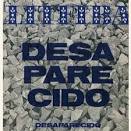 1985Desaparecido