
Déjà-vu: exploring the world of Giorgio Moroder
Déjà-vu- Album Overview
"Déjà-vu," released on June 12, 2015, marks a significant return for the legendary Italian producer Giorgio Moroder, who has been instrumental in shaping the landscape of electronic dance music. Known for his groundbreaking work in the 1970s and 1980s—especially his collaborations with Donna Summer and his contributions to soundtracks like "Midnight Express"—Moroder's latest album showcases his enduring influence in the genre.
Released under the label RCA Records, "Déjà-vu" is a blend of disco, electronic, and pop, featuring collaborations with a range of contemporary artists, including Sia, Britney Spears, and Charli XCX. Each track embodies a modern twist on Moroder's classic sound, integrating vibrant synths and pulsating beats that are reminiscent of his earlier productions while appealing to current pop sensibilities.
The album includes notable singles such as "Deja Vu," featuring Sia, which captures the essence of Moroder's signature sound, and "Right Here, Right Now," featuring the iconic voice of Kylie Minogue. The production quality is exceptional, showcasing Moroder's ability to meld vintage influences with modern techniques seamlessly.
"Déjà-vu" not only underscores Moroder's status as a pioneer of electronic music but also highlights the cultural importance of his work. The album's release came at a time when disco and electronic influences were experiencing a resurgence in popular music, making it a timely addition to the genre's evolution. Moroder's innovative approach continues to inspire new generations of artists, affirming his legacy as a key figure in the music industry.
Review
In "Déjà-vu," Giorgio Moroder successfully re-establishes himself as a vanguard of electronic music, demonstrating that his artistry is as relevant today as it was in its heyday. The album's sound is a rich tapestry of lush synths, driving basslines, and infectious melodies that hark back to the disco era, while still feeling contemporary. Lyrically, the tracks explore themes of love, desire, and nostalgia, often layered with the emotional weight that Moroder's productions are known for.
Collaborations with prominent artists bring fresh perspectives to the album, but at times, the reliance on featured vocalists may overshadow Moroder's own sonic signature. The production is polished, yet the essence of spontaneity that characterized his earlier work occasionally feels muted. Nevertheless, this album celebrates Moroder's legacy while inviting a new audience to experience his timeless sound.
Highlights
- The nostalgic yet modern sound that captures Moroder's essence.
- Strong collaborations with contemporary artists that enhance the album's appeal.
- The exceptional production quality that showcases Moroder's expertise.
Weak points
- Some tracks may feel overshadowed by the featured artists.
- A few songs lack the spontaneity and raw energy of Moroder's earlier work.
- Occasional repetitiveness in themes across the album.
Overall evaluation
"Déjà-vu" is a testament to Giorgio Moroder's lasting impact on electronic music, blending nostalgia with modernity in a way that captivates both long-time fans and new listeners. While it may have its shortcomings, the album stands as a vital piece of Moroder's discography, reaffirming his role as a pioneer in the industry.
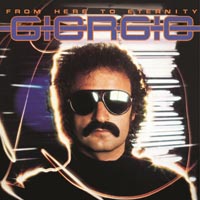
Personal rating: 8/10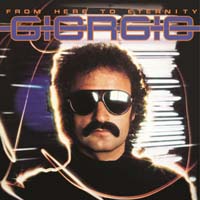 1977From Here to Eternity
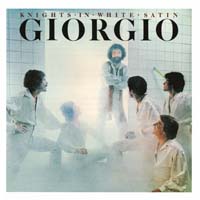 1976Knights in White Satin