ALBUM NOTESThe evolution of Harry Nilsson-Duit on Mon Dei / Sandman in Duit on Mon Dei / Sandman
Album overview
Duit on Mon Dei / Sandman, released in 1971, stands as a landmark album in the career of Harry Nilsson, an artist known for his eclectic style and genre-blending capabilities. The double album features a unique mix of pop, rock, and experimental sounds, showcasing Nilsson's distinct voice and innovative songwriting. Recorded during a period of creative exploration, the album was produced by Nilsson himself, with the help of renowned musicians such as John Lennon and Ringo Starr, who contributed both as collaborators and supporters. The album was released under the RCA label, further cementing Nilsson's place in the music industry.
The tracklist includes memorable songs like "Jump into the Fire" and "Coconut," which have become staples in Nilsson's repertoire. The album's production is characterized by rich harmonies, imaginative arrangements, and a playful yet introspective lyrical approach. Notably, the album's cover art, featuring whimsical illustrations, reflects the artistic vision that permeates the music within. Despite its initial mixed reviews, Duit on Mon Dei / Sandman has gained recognition over the years for its bold experimentation and artistic ambition, influencing a generation of musicians and earning a place in the pantheon of classic albums from the 1970s.
Review
Duit on Mon Dei / Sandman is a fascinating dive into Harry Nilsson's artistic psyche, balancing between whimsy and depth. The opening track "The Moon Song" sets a dreamy tone, inviting listeners into a world where the surreal meets the mundane. Nilsson's vocal delivery is at once playful and poignant, capturing a wide emotional range throughout the album. The production is particularly noteworthy, Nilsson's choice to incorporate unconventional instruments and sounds creates an immersive listening experience.
Lyrically, the album explores themes of love, existential musings, and the absurdities of life, often delivered with a sense of humor that is quintessentially Nilsson. Tracks like "Coconut" showcase his knack for storytelling, blending catchy melodies with clever wordplay. However, there are moments where the album’s experimental nature may alienate some listeners, as it veers into avant-garde territory. Overall, Duit on Mon Dei / Sandman is a testament to Nilsson's genius, capturing both the spirit of the era and his unique artistic vision.
Highlights
- Innovative and eclectic sound that pushes genre boundaries.
- Strong lyrical content that balances humor and introspection.
- Memorable tracks that have stood the test of time.
Weak points
- Some tracks may feel overly experimental and inaccessible to mainstream audiences.
- The production can occasionally overshadow Nilsson's vocal performances.
- Initial reception was mixed, which may deter new listeners.
Overall evaluation
Duit on Mon Dei / Sandman represents a significant chapter in Harry Nilsson's illustrious career, showcasing his unique blend of pop sensibilities and avant-garde experimentation. While it may not appeal to everyone, its artistic merit and innovative approach are undeniable.
Personal rating: 8/10
```


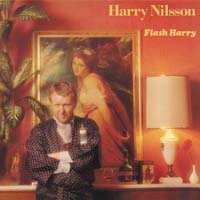 1980Flash Harry
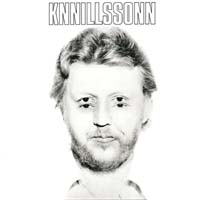 1977Knnillssonn
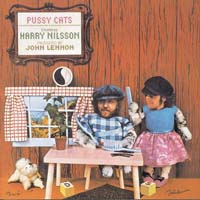 1974Pussy Cats
 1973A Little Touch of Schmilsson in the Night