
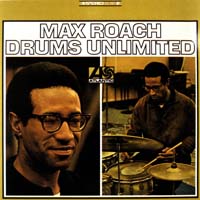
Listening guide: Max Roach's Drummin’ The Blues
Drummin’ The Blues- Album Overview
"Drummin’ The Blues," released in 1961, is a landmark album by the legendary jazz drummer Max Roach. This album, produced by the acclaimed label Impulse! Records, showcases Roach's innovative approach to percussion and his ability to blend rhythm with melodic elements. Recorded in New York City, the album features an impressive lineup of musicians, including the talented trumpeter Cecil Bridgewater, saxophonist Archie Shepp, and pianist McCoy Tyner. Each track is a masterclass in rhythm and improvisation, highlighting Roach's dynamic drumming style and his commitment to pushing the boundaries of jazz. The album features several standout tracks, including "Drum Conversation," where Roach engages in a musical dialogue with his fellow musicians, and "The Drum Also Waltzes," which showcases his ability to infuse complex time signatures with a sense of swing. "Drummin’ The Blues" is notable not just for its musicality, but also for its cultural significance during a time when jazz was evolving rapidly and embracing new influences. Roach's work helped to bridge the gap between traditional jazz and the more avant-garde styles that were emerging in the 1960s, making this album a vital piece of jazz history. The singles released from the album received critical acclaim, solidifying Roach's status as a leading voice in the jazz world. The album's exploration of blues elements within the framework of jazz further emphasizes the deep cultural roots of the music, making it essential listening for any jazz enthusiast.
Review
"Drummin’ The Blues" is a stunning exhibition of Max Roach's virtuosity and artistic vision. The album's sound is characterized by intricate rhythms and a rich tapestry of percussion that invites listeners into a deeply immersive experience. Roach's ability to convey emotion through his drumming is unparalleled; each track unfolds like a story told through beats and accents. The absence of traditional melodic instruments allows the drums to take center stage, creating a raw and unfiltered sound that challenges conventional jazz norms. The artistic vision behind this album is clear: Roach seeks to demonstrate the power of rhythm as a standalone element, capable of evoking emotion and narrative without the need for harmonic support. His collaboration with talented musicians ensures that the tracks are not merely showcases of drumming but are instead dynamic conversations between artists, filled with spontaneity and creativity. While some may find the absence of conventional melodies disorienting, the album rewards attentive listeners with its depth and complexity, making it an essential part of the jazz canon.
Highlights
- Innovative percussion techniques that redefine jazz drumming.
- Engaging musical dialogues with talented collaborators.
- Cultural significance in bridging traditional jazz and avant-garde styles.
Weak points
- Some listeners may find the focus on rhythm over melody challenging.
- The album's experimental nature may not appeal to all jazz fans.
- Lack of more traditional jazz instrumentation might alienate purists.
Overall evaluation
"Drummin’ The Blues" is a milestone in Max Roach's discography and a bold statement in the world of jazz. Its innovative approach to rhythm and collaboration makes it a compelling listen. While it may not cater to every taste, its importance in the evolution of jazz cannot be overstated.
Personal rating: 9/10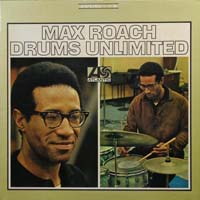 1966Drums Unlimited
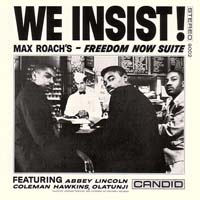 1960We Insist! Max Roach's Freedom Now Suite