
Album spotlight: Max Roach – Booker Little 4 & Max Roach
Booker Little 4 & Max Roach- Album Overview
Released in 1961, "Booker Little 4 & Max Roach" is a seminal jazz album that showcases the remarkable talents of trumpeter Booker Little and drummer Max Roach. This collaborative effort was released under the prestigious label, Candid Records, known for its dedication to avant-garde jazz. The album features a quintet format, with Little and Roach joined by renowned musicians such as Eric Dolphy on alto saxophone and flute, Walter Davis Jr. on piano, and Art Davis on bass. The recording took place in New York City, a hub for creative jazz during this era, and captures the innovative spirit of the time. The album includes a mix of original compositions and jazz standards, highlighting Little’s compositional prowess and Roach's pioneering drumming techniques. Notable tracks include "We Speak," which features intricate exchanges between the musicians, and "Airegin," a composition by Sonny Rollins that demonstrates the group's improvisational skills. The album's release came during a period of significant social change in America, and its complex rhythms and harmonies can be seen as a reflection of the evolving cultural landscape. Despite its initial release being overshadowed by more commercially successful jazz records, "Booker Little 4 & Max Roach" has since gained recognition as an essential work in both artists' discographies and as a cornerstone of modern jazz.
Review
"Booker Little 4 & Max Roach" is a breathtaking example of the interplay between two of jazz's most innovative figures. The album opens with "We Speak," a track that immediately establishes the dynamic tension and telepathic communication among the players. Little's crisp trumpet lines cut through Roach's intricate rhythmic patterns, creating a dialogue that is both sophisticated and emotionally charged. The inclusion of Eric Dolphy adds a layer of complexity, as his unique approach to the alto saxophone and flute complements the harmonic explorations undertaken throughout the album. The production is raw yet polished, capturing the essence of live performance while maintaining clarity in each instrument's contribution. The arrangements allow for ample solo space, particularly showcasing Little's burgeoning genius and Roach's explosive drumming style. While Little's compositions, such as "Booker's Blues," are rooted in traditional jazz, they also push boundaries, incorporating elements of avant-garde that would influence future generations of musicians. The album's cultural significance, emerging from the civil rights movement's backdrop, resonates deeply, as it embodies a spirit of innovation and resilience.
Highlights
- Exceptional musicianship from all members, particularly Booker Little's trumpet work.
- Innovative arrangements that blend traditional jazz with avant-garde influences.
- The album serves as a historical document of a transformative period in jazz and American culture.
Weak points
- Some listeners may find the avant-garde elements challenging or unapproachable.
- The album's relatively short runtime leaves audiences wanting more from this talented ensemble.
- Limited commercial appeal at the time of release may have hindered its initial impact.
Overall evaluation
"Booker Little 4 & Max Roach" stands as a testament to the creative synergy between two jazz legends and their exploration of new musical territories. The album’s bold experimentation and profound emotional depth have solidified its place in jazz history. Personal rating: 9/10
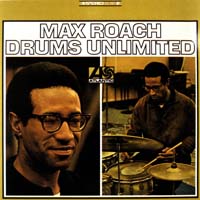
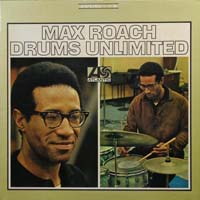 1966Drums Unlimited
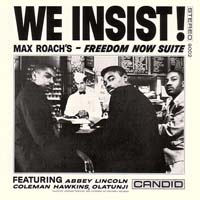 1960We Insist! Max Roach's Freedom Now Suite