
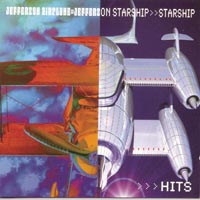
Is Dragon Fly Jefferson Starship's best work yet?
Dragon Fly- Album Overview
"Dragon Fly," released on November 2, 1974, marks a significant turning point in the evolution of Jefferson Starship, a band that emerged from the ashes of the legendary Jefferson Airplane. The album was released under the Grunt Records label, which was founded by the band, showcasing their desire for creative control. Produced by the band members themselves, "Dragon Fly" features a blend of rock, pop, and progressive elements, setting the stage for a new era in their musical journey.
The recording sessions for "Dragon Fly" took place in a variety of locations, including the historic Wally Heider Studios in San Francisco, allowing the band to capture a rich, layered sound. The album features notable collaborations, including contributions from former Jefferson Airplane member Grace Slick and prominent session musicians that added depth to the tracks. "Dragon Fly" spawned several singles, including the popular "Ride the Tiger" and "Caroline," which received significant airplay and contributed to the album's commercial success.
Musically, the album reflects the band's transition from the counterculture ethos of the 1960s to a more polished, radio-friendly sound, while still retaining elements of their psychedelic roots. Thematically, "Dragon Fly" explores concepts of freedom, love, and the passage of time, resonating deeply with listeners during a period of societal change. Its cultural significance lies in its ability to bridge the gap between the iconic Jefferson Airplane and the more commercially viable Jefferson Starship, paving the way for their future successes.
Review
The sound of "Dragon Fly" is a compelling blend of melodic rock and thoughtful lyricism, characterized by soaring vocals and intricate harmonies. The production quality reflects the band's commitment to artistry, with each track meticulously crafted to showcase the talents of its members. Lyrically, the album maintains a poetic sensibility, with songs that evoke vivid imagery and emotional depth. The standout track, "Ride the Tiger," exemplifies this with its anthemic chorus and introspective verses, inviting listeners on a journey of self-discovery.
Artistically, "Dragon Fly" represents a bold step forward for Jefferson Starship, as they sought to redefine their identity in the wake of their predecessor's legacy. The album successfully merges the experimental spirit of the 1960s with the accessibility of the 1970s rock landscape, creating a sound that is both innovative and timeless. Overall, "Dragon Fly" is a testament to the band's resilience and creativity, showcasing their ability to evolve while remaining true to their roots.
Highlights
- Strong songwriting and production quality.
- Memorable melodies and harmonies that showcase the band's vocal strengths.
- Successful fusion of rock and pop elements, appealing to a broad audience.
Weak points
- Some tracks may feel less impactful compared to the standout singles.
- Occasional reliance on formulaic structures typical of 1970s rock.
- Lack of the raw edge that characterized Jefferson Airplane's earlier work.
Overall evaluation
"Dragon Fly" stands as a significant achievement in Jefferson Starship's discography, capturing their evolution while delivering a collection of compelling songs. While it may not entirely eclipse the legacy of Jefferson Airplane, it undoubtedly marks a high point in the band's journey. The album's blend of thoughtful lyrics and polished production resonates with listeners, making it a noteworthy contribution to the rock genre.
Personal rating: 8/10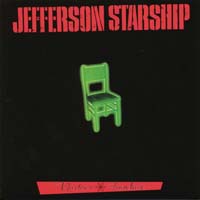 1984Nuclear Furniture
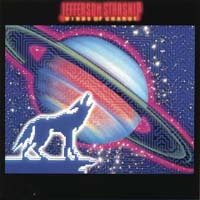 1982Winds of Change