

Boston returns with Don’t Look Back
Don’t Look Back- Album Overview
Released on August 2, 1978, "Don’t Look Back" is the second studio album by the American rock band Boston. Following the monumental success of their self-titled debut album in 1976, which was a game-changer in the rock scene, "Don’t Look Back" was highly anticipated. The album was produced by the band’s founder and primary songwriter, Tom Scholz, under the Epic Records label. Scholz’s innovative use of technology in music production, particularly his custom-built Rockman guitar amplifier, played a crucial role in defining the band's signature sound, characterized by layered harmonies and soaring melodies.
Recording took place in Scholz’s home studio and other locations, a testament to the band's DIY ethos and meticulous approach to creating music. The album features a total of 8 tracks, including the hit singles "Peace of Mind" and the title track "Don't Look Back." Both singles received significant radio play and contributed to the album's commercial success, which reached No. 1 on the Billboard 200 chart. "Don’t Look Back" not only solidified Boston's place in rock history but also influenced the sound of rock music in the late '70s and early '80s.
With a runtime of 37 minutes, the album is a blend of hard rock and arena rock, showcasing the band’s ability to combine catchy hooks with powerful instrumentation. The lyrical themes often reflect introspection and the quest for understanding, resonating with a wide audience. The album’s cover art, designed by the band, continues the iconic imagery established in their debut, featuring a soaring spaceship against a backdrop of stars, symbolizing the band's ongoing journey in the music world.
Review
"Don’t Look Back" continues Boston's legacy of producing polished rock anthems. The album opens with the powerful "Don't Look Back," which immediately sets a tone of soaring guitars and harmonious vocals. The production quality is exceptional, thanks to Scholz's keen ear for detail and innovative recording techniques. Lyrically, the songs delve into themes of reflection and determination, making them relatable to listeners. However, while the album features memorable choruses and skilled musicianship, some critics have noted that it lacks the raw energy and freshness of its predecessor. The balance between radio-friendly rock and deeper lyrical content is struck well in tracks like "A Man I'll Never Be," showcasing a more introspective side of the band.
Highlights
- Strong production quality and innovative sound engineering.
- Catchy and memorable singles that resonate with audiences.
- Continues the band's legacy of powerful rock anthems.
Weak points
- Some tracks may feel formulaic compared to the debut album.
- Lacks the raw energy that characterized their first release.
- Limited stylistic evolution from their previous work.
Overall evaluation
"Don’t Look Back" is a solid follow-up to Boston's debut, offering a mix of catchy rock tunes and polished production. While it may not capture the same groundbreaking essence as their first album, it still showcases the band’s signature sound and remains a staple in classic rock playlists.
Personal rating: 8/10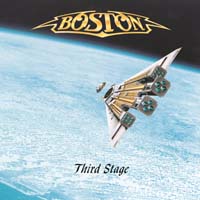 1986Third Stage
 1976Boston
 0Life, Love