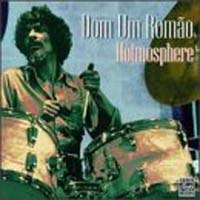
ALBUM NOTESListening to Dom Um by Dom Um Romao-Dom Um
Album overview
Dom Um, the self-titled album by Brazilian percussionist Dom Um Romão, was released in 1973 under the Odeon label. This album is a profound exploration of the fusion between Brazilian samba, jazz, and avant-garde music. Romão, known for his innovative use of percussion and his work with the legendary Brazilian composer Antonio Carlos Jobim, recorded this album following a period of significant collaboration with various artists in the Brazilian music scene. The album features contributions from prominent musicians such as keyboardist Wagner Tiso and bassist Luiz Alves, who enrich the sound with their diverse musical backgrounds.
The recording sessions took place in Rio de Janeiro, capturing the vibrant essence of the city’s music culture. The album consists of several tracks, including standout pieces like "Cais" and "Samba de uma Nota Só," which showcase Romão's intricate rhythms and the seamless blending of traditional and modern influences. The production is characterized by a rich tapestry of sounds, incorporating not only conventional instruments but also innovative percussive elements that Romão is famed for. "Dom Um" stands as a significant work in the Brazilian music canon, reflecting the socio-cultural dynamics of the 1970s and the evolution of musical genres in Brazil.
Review
"Dom Um" is a captivating journey through sound, showcasing Dom Um Romão's prowess as a percussionist and composer. The album's artistic vision is rooted in the celebration of Brazilian musical heritage while simultaneously pushing boundaries. The intertwining of jazz elements with traditional Brazilian rhythms creates a refreshing soundscape that feels both familiar and avant-garde.
The album's production is lush, with each track meticulously crafted to highlight the dynamic interplay between the instruments. Romão's drumming is both intricate and fluid, providing a backbone for the other musicians to explore melodically. While the rhythms are complex, they maintain a sense of accessibility that invites listeners in. The lyrical themes often revolve around everyday life, love, and the Brazilian experience, which resonate deeply within the cultural context. Overall, "Dom Um" reflects a sophisticated blend of genres, making it a timeless addition to the world of music.
Highlights
- Innovative fusion of Brazilian rhythms and jazz elements.
- Exceptional musicianship from Romão and his collaborators.
- Rich production quality that enhances the listening experience.
Weak points
- Some tracks may feel repetitive to listeners unfamiliar with the genre.
- The album lacks a hit single that could have propelled it into mainstream recognition.
- Not all tracks maintain the same level of energy and engagement.
Overall evaluation
"Dom Um" is a remarkable work that encapsulates the essence of Brazilian music in the early 1970s, showcasing Dom Um Romão's unique artistry. While it has its shortcomings, the album's strengths far outweigh them, making it a significant listen for fans of world music and jazz alike.
Personal rating: 8/10
```


 1998Hotmosphere