
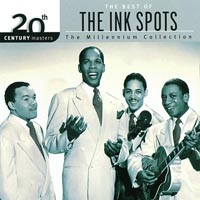
Do I Worry: the story The Ink Spots wants to tell
Do I Worry- Album Overview
The Ink Spots, a seminal vocal group from the 1930s and 1940s, released their iconic single "Do I Worry" in 1941 under the Decca Records label. The song is part of their broader catalog that blends jazz, pop, and early rhythm and blues, showcasing their unique sound characterized by rich harmonies and emotional delivery. The Ink Spots were known for their innovative style, which included a mix of spoken word and singing, influencing many artists in subsequent decades.
"Do I Worry" was written by the talented songwriting duo, M. K. Jerome and Jack Lawrence, and quickly became a staple of their repertoire. The track features the smooth baritone of Bill Kenny, the group’s lead vocalist, whose heartfelt delivery conveys deep emotion, while the rich harmonies of the other members create an atmosphere of nostalgia and longing. The song's themes of love, anxiety, and uncertainty resonated with audiences during a time of social upheaval, further solidifying The Ink Spots' cultural significance.
The recording of "Do I Worry" took place at a time when the group was at the height of their popularity, and their collaboration with talented arrangers and musicians helped produce a polished sound that appealed to a wide audience. The song, along with others like "I Don't Want to Set the World on Fire," played a crucial role in establishing The Ink Spots as pioneers of vocal group harmony. The single achieved commercial success, reaching the charts and contributing to the group's legacy as one of the most influential acts of their era.
Review
"Do I Worry" encapsulates the essence of The Ink Spots' artistry, blending emotive lyrics with a smooth, melodic structure. The song’s arrangement is both simple and sophisticated, allowing the vocal harmonies to take center stage. Kenny’s lead is particularly striking, as he captures the song's emotional weight with a delicate balance of vulnerability and strength. The lyrics reflect a universal theme of anxiety in love, making it relatable to listeners across generations.
The instrumentation, featuring soft piano and subtle orchestral elements, complements the vocal performance, creating a sound that is both comforting and melancholic. The Ink Spots' ability to evoke feelings of nostalgia is evident, as they transport listeners to a different time, one where emotions were laid bare through song. As a piece of cultural history, "Do I Worry" not only showcases the group's musical talents but also highlights the socio-cultural context of the early 1940s, a time when music provided solace amid uncertainty.
Highlights
- Rich vocal harmonies that define The Ink Spots' signature sound.
- Emotional depth in lyrics that resonate with listeners' experiences.
- Timeless quality that continues to influence modern artists across genres.
Weak points
- Some listeners may find the production style dated compared to contemporary standards.
- Lack of variety in instrumentation throughout the track.
- Potentially limited appeal to those unfamiliar with classic vocal harmony groups.
Overall evaluation
"Do I Worry" remains a poignant example of The Ink Spots' impact on music history, showcasing their ability to blend emotional storytelling with exquisite vocal talent. The song stands the test of time, offering a glimpse into a bygone era while still feeling relevant today.
Personal rating: 8/10