
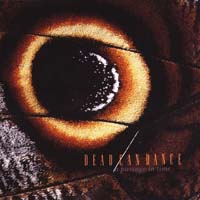
How Dead Can Dance shaped the sound of Dionysus
Dionysus- Album Overview
Released on November 2, 2018, "Dionysus" marks the ninth studio album by the Australian musical duo Dead Can Dance, consisting of Lisa Gerrard and Brendan Perry. The album was released under the label 4AD, a renowned platform for avant-garde and ethereal music. "Dionysus" showcases a profound exploration of themes related to the ancient Greek god, celebrating the notions of ecstasy, revelry, and the cyclical nature of life and death. This project followed their 2012 album "Anastasis," and the duo's return to the studio was met with anticipation from fans and critics alike.
The creation of "Dionysus" was deeply rooted in a desire to capture the essence of cultural and musical traditions, drawing inspiration from various sources, including Middle Eastern, African, and European folk music. The album was recorded in a series of sessions that allowed Gerrard and Perry to experiment with instrumentation and vocal arrangements, resulting in a rich tapestry of sound that reflects their characteristic blend of world music and post-punk. Collaborators on the album include a variety of musicians who contributed diverse instruments, such as strings and percussion, enhancing the album's organic feel.
Musically, "Dionysus" is characterized by its use of lush instrumentation and ethereal vocals, a hallmark of Dead Can Dance's sound. The album features tracks like "Dance of the Bacchantes" and "The Invocation," which illustrate the duo's ability to create atmospheric soundscapes that transport listeners to other realms. The singles released from the album further solidified its impact, contributing to the ongoing legacy of Dead Can Dance within the world music genre and beyond. "Dionysus" stands not only as a continuation of their artistic journey but also as a significant commentary on the human experience, making it a pivotal album in their discography.
Review
"Dionysus" is a mesmerizing auditory experience that encapsulates the essence of Dead Can Dance's artistic vision. The album's sound is both expansive and intimate, blending ethereal vocals with a diverse array of instruments that draw from global musical traditions. Each track unfolds like a ritualistic journey, inviting listeners to immerse themselves in its rich textures and evocative melodies. The lyrics, while often abstract, evoke powerful imagery and resonate with themes of transformation and transcendence.
The production quality of the album is impeccable, with layers of sound that create depth and complexity. Gerrard's haunting vocals soar over Perry's intricate arrangements, resulting in a harmonious balance that is both haunting and uplifting. The use of percussion throughout the album adds a rhythmic pulse that enhances the sense of movement and celebration inherent in the theme of Dionysus. Overall, the album is a testament to Dead Can Dance's ability to evolve while remaining true to their roots, making "Dionysus" a significant milestone in their illustrious career.
Highlights
- The masterful blending of various musical traditions creates a rich and immersive sound.
- Lisa Gerrard's ethereal vocals shine, adding emotional depth to the tracks.
- Thematic consistency throughout the album ties the songs together into a cohesive narrative.
Weak points
- The abstract lyrics may alienate some listeners looking for straightforward narratives.
- Some tracks may feel lengthy or meandering, potentially losing the attention of casual listeners.
- The experimental nature might not appeal to those unfamiliar with the duo's previous work.
Overall evaluation
"Dionysus" is a compelling addition to Dead Can Dance's discography, showcasing their continued evolution as artists while paying homage to their roots. The album invites deep listening and reflection, making it a rewarding experience for dedicated fans and newcomers alike.
Personal rating: 8.5/10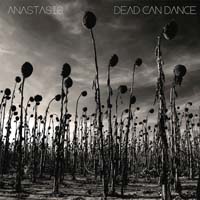 2012Anastasis
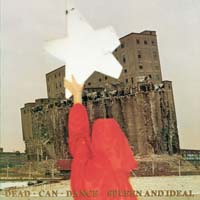 1984Spleen and Ideal