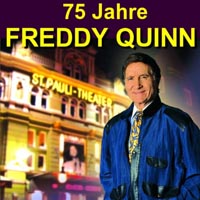
ALBUM NOTESFirst impressions of Freddy Quinn – Die Stimme Der Heimat
Die Stimme Der Heimat- Album Overview
Freddy Quinn's album "Die Stimme Der Heimat," released in 1962, is a significant piece in the genre of German Schlager music, which is characterized by its catchy melodies and sentimental themes. This album was released under the Polydor Records label and features a collection of songs that reflect the cultural sentiment of post-war Germany, resonating deeply with listeners longing for a sense of home and nostalgia. The production of "Die Stimme Der Heimat" showcases Quinn's unique vocal style, blending traditional German folk influences with contemporary pop sensibilities of the time.
The album includes several tracks that contributed to Quinn's rise as a prominent figure in the German music scene. Some notable songs from the album are "Heimweh," "Die Gitarre und das Meer," and "Der Junge mit der Mundharmonika," which highlight his ability to evoke powerful emotions through storytelling and melody. Collaborators on the album included talented composers and arrangers who helped shape its sound, creating a rich auditory experience that combines orchestral arrangements with folk instrumentation.
Culturally, "Die Stimme Der Heimat" played a pivotal role in establishing Quinn as a voice of the Heimat (homeland), aligning with the zeitgeist of the early 1960s that sought to reconnect with cultural roots and identity. As a result, the album not only showcases Quinn's artistic vision but also captures the essence of a nation in search of its identity amid the changes of the post-war era.
Review
"Die Stimme Der Heimat" is a heartfelt exploration of themes such as longing, nostalgia, and love for one’s homeland, which are prevalent throughout the album. Freddy Quinn's robust and emotive voice carries the weight of each lyric, lending authenticity to the stories he tells. The sound is characterized by lush orchestral arrangements that complement Quinn's vocals, creating a warm and inviting atmosphere.
The album's lyrical content delves into personal and collective experiences, resonating with listeners who share similar sentiments about their own homes. The balance between traditional instrumentation and modern Schlager elements makes the album accessible while still paying homage to its cultural roots. Quinn's artistic vision is evident in how he intertwines personal narratives with broader cultural themes, making the album not just a collection of songs but a narrative of the German experience in that era.
Highlights
- Quinn's emotive vocal delivery that captures the essence of longing and nostalgia.
- Rich orchestral arrangements that enhance the overall listening experience.
- Strong lyrical themes that resonate with listeners on a personal and cultural level.
Weak points
- Some tracks may feel formulaic, following typical Schlager structures.
- Occasional over-reliance on orchestration can overshadow Quinn's voice.
- The album may not appeal to those outside the Schlager genre or unfamiliar with its cultural context.
Overall evaluation
"Die Stimme Der Heimat" is a heartfelt and culturally significant album that showcases Freddy Quinn's talent as a vocalist and storyteller. It encapsulates a pivotal moment in German music history, connecting deeply with its audience. While it may have its shortcomings in terms of predictability, its emotional depth and cultural resonance make it a noteworthy listen.
Personal rating: 7/10