

Inside the atmosphere of Ozzy Osbourne's Diary of a Madman
Diary of a Madman- Album Overview
"Diary of a Madman," released on November 7, 1981, is Ozzy Osbourne's second studio album, following the successful "Blizzard of Ozz." This album was produced by Max Norman and released under the Jet Records label. The recording sessions took place at Ridge Farm Studio in Surrey, England, and the album features contributions from key collaborators, including guitarist Randy Rhoads, who played a pivotal role in shaping the album's sound and is often credited with revitalizing heavy metal guitar playing. The lineup also included bassist Bob Daisley and drummer Lee Kerslake, both of whom contributed to the songwriting process. The album spawned several notable singles, including "Flying High Again" and "Over the Mountain," both of which showcased Osbourne's distinctive vocal style and Rhoads's innovative guitar work. "Diary of a Madman" is notable for its intricate arrangements and blend of heavy metal with progressive rock elements, a testament to the artistic ambitions of the band. The album's artwork, created by the iconic fantasy artist Patrick Woodroffe, adds a visual layer to the album's themes of madness and introspection. "Diary of a Madman" not only solidified Osbourne’s status as a solo artist but also left a lasting impact on the heavy metal genre, influencing countless musicians in the years to come. Its exploration of darker themes, alongside the virtuosic guitar riffs, helped define the sound of early '80s metal and remains a critical reference point in Osbourne's discography.
Review
Ozzy Osbourne's "Diary of a Madman" is a masterclass in heavy metal that deftly balances melodic sensibility with hard-hitting riffs. The album opens with "Over the Mountain," a track that immediately showcases Randy Rhoads's exceptional guitar work, setting the stage for a record filled with both aggression and melody. Lyrically, Osbourne delves into themes of despair, madness, and introspection, reflecting his tumultuous personal life and the struggles he faced at the time. The production quality is polished yet retains an organic feel, allowing the raw energy of the performances to shine through. Rhoads's guitar solos are both technical and emotive, elevating tracks like "Flying High Again" to new heights. While some may find certain tracks uneven in pacing, the overall cohesion of the album is remarkable, with each song contributing to the overarching narrative of madness and personal conflict. Osbourne's unique vocal delivery remains a standout feature, blending haunting melodies with powerful choruses, making tracks like "SATO" and "Diary of a Madman" particularly memorable. The album's darker undertones, coupled with its musical complexity, create an atmosphere that resonates long after listening. Overall, "Diary of a Madman" is both a sonic journey and a reflection of an artist at a crossroads, making it a significant entry in the heavy metal canon.
Highlights
- Randy Rhoads's exceptional guitar work that redefined heavy metal.
- Strong lyrical themes exploring madness and introspection.
- Memorable tracks that have become classics in Osbourne's repertoire.
Weak points
- Some tracks may feel less cohesive compared to others.
- Production choices may not appeal to all listeners.
- A few songs may be overshadowed by the standout hits.
Overall evaluation
"Diary of a Madman" stands as a testament to Ozzy Osbourne's resilience and creativity during a pivotal time in his career. Its blend of heavy metal innovation and lyrical depth makes it a crucial album in his discography.
Personal rating: 9/10 2007Black Rain
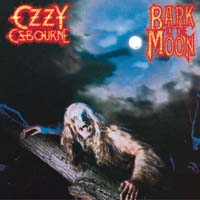 1983Bark at the Moon