
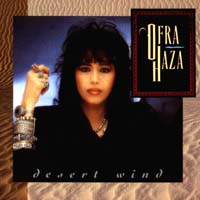
Ofra Haza raises the bar with Desert Wind
Desert Wind- Album Overview
"Desert Wind," released in 1988, marks a pivotal moment in Ofra Haza's career, showcasing her unique blend of traditional Yemenite music with contemporary pop and electronic influences. This album was released under the label, BMG. Haza, known as the "Israeli Madonna," recorded this project with an impressive array of collaborators, including producer Alan Tarney, who is known for his work with artists like Cliff Richard. The album features a mix of original tracks and reimagined songs, with notable contributions from musicians who helped shape the sound of the late '80s.
The album's standout single, "Im Nin'Alu," became an international hit, gaining popularity in clubs and radio stations worldwide. This track is a modern interpretation of an ancient Yemenite prayer, showcasing Haza's ability to merge her cultural roots with global music trends. The album's production is characterized by lush arrangements, combining synthesizers, traditional instrumentation, and Haza's soaring vocals, which convey deep emotion and cultural pride.
"Desert Wind" is not just an album; it signifies Haza's ambition to elevate Middle Eastern music on the global stage. The album enjoyed commercial success and critical acclaim, positioning Haza as a significant figure in world music. Through "Desert Wind," she opened doors for future artists to explore and embrace their cultural identities within popular music.
Review
The sound of "Desert Wind" is a vibrant tapestry that weaves together Middle Eastern influences with Western pop sensibilities. Ofra Haza's ethereal voice stands at the forefront, effortlessly navigating between powerful belting and delicate, haunting melodies. The lyrics often reflect themes of love, spirituality, and cultural identity, resonating deeply with listeners. Haza's artistic vision is clear; she aims to transcend traditional boundaries, bringing her rich heritage into the modern musical landscape.
Highlights
- Innovative fusion of traditional and contemporary sounds.
- Powerful and emotive vocal performances by Ofra Haza.
- Cultural significance in promoting Middle Eastern music globally.
Weak points
- Some tracks may feel repetitive in production style.
- Not all listeners may connect with the fusion of genres.
- Occasional reliance on synthesizers may overshadow traditional elements.
Overall evaluation
"Desert Wind" stands as a testament to Ofra Haza's artistic brilliance, successfully merging her cultural heritage with contemporary music. While it has its flaws, the album remains a significant work that paved the way for future artists from diverse backgrounds.
Personal rating: 8/10