
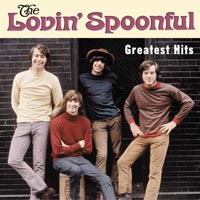
Daydream: exploring the world of The Lovin' Spoonful
Daydream- Album Overview
"Daydream," released in 1966, is the third studio album by the American rock band The Lovin' Spoonful. Produced by Erik Jacobsen and released under the Kama Sutra Records label, this album continued the band’s trajectory of blending rock, pop, and folk influences. The Lovin' Spoonful, formed in 1965, was known for their catchy melodies and upbeat rhythms, and "Daydream" further solidified their place in the American music scene during the mid-1960s.
The recording sessions for "Daydream" took place in New York City, where the band infused their sound with elements of folk-rock and blues. The album features a total of 12 tracks, including two major singles: "Daydream" and "You Didn't Have to Be So Nice," both of which topped the charts and became defining anthems of the era. The album's songwriting is primarily attributed to John Sebastian, the band's frontman, whose lyrical storytelling and whimsical approach resonate throughout the record.
"Daydream" is notable not only for its musical content but also for its cultural significance. It captures the spirit of the 1960s, a time when folk and rock were merging, and youthful optimism was palpable. The album features a mix of original compositions and interpretations, showcasing the band's versatility. The Lovin' Spoonful's unique sound, characterized by jangly guitars and harmonious vocals, paved the way for future generations of musicians, influencing the folk-rock movement that followed.
Review
"Daydream" stands as a quintessential representation of 1960s pop-rock, blending catchy hooks with introspective lyrics. The Lovin' Spoonful's sound is distinguished by its cheerful melodies and adept musicianship, which is particularly evident in tracks like "Daydream" and "You Didn't Have to Be So Nice." The production by Erik Jacobsen captures the essence of the era, with a polished yet organic feel that allows the band's energy to shine through.
The lyrical content is often playful and nostalgic, reflecting a simpler time. John Sebastian's songwriting shines with its vivid imagery and relatable themes of love and longing. The instrumentation, featuring a variety of instruments including guitars, keyboards, and even a washboard, adds to the album's charm and diversity. However, while the album is predominantly upbeat, it also includes moments of introspection that provide depth and contrast.
Highlights
- Catchy and memorable melodies that define the 1960s pop-rock sound.
- Strong lyrical storytelling, particularly in tracks like "Daydream."
- A vibrant mix of instruments that showcase the band's musical diversity.
Weak points
- Some tracks may feel less impactful compared to the standout singles.
- A few songs exhibit a similar formula, which might affect overall variety.
- The production, while polished, may lack the rawness some listeners prefer.
Overall evaluation
"Daydream" is a delightful snapshot of The Lovin' Spoonful's early sound, encapsulating the essence of the 1960s with its infectious energy and lyrical whimsy. It remains a significant album in the band's discography and in the broader landscape of American music.
Personal rating: 8/10