

Sammy Hagar – Danger Zone: track-by-track perspective
Danger Zone- Album Overview
Released in 1980, "Danger Zone" marks the third studio album by rock icon Sammy Hagar. This album came out under the Geffen Records label and showcases Hagar's distinctive style, blending hard rock with a touch of pop sensibility. The recording took place in various studios across the United States, capturing the vibrant energy of the late '70s rock scene. Hagar collaborated with notable musicians such as guitarist Neal Schon from Journey, who contributed significantly to the album's sound with his soaring guitar solos. The album includes standout tracks like “There’s Only One Way to Rock” and “I Can’t Drive 55,” which became staples in Hagar’s live performances. The singles released from "Danger Zone" helped solidify Hagar's place in rock music, particularly as he transitioned from his earlier solo career to becoming the frontman for Van Halen shortly after. The album is significant not only for its catchy hooks and infectious energy but also for reflecting the cultural and musical shifts occurring in the early '80s, as rock started to embrace more polished production techniques. Despite not achieving the commercial success of his later works, "Danger Zone" remains an essential part of Hagar's discography and a testament to his enduring appeal in the rock genre.
Review
"Danger Zone" delivers a powerful punch with its blend of hard-hitting rock anthems and melodic hooks. Hagar's vocal prowess is on full display, showcasing his ability to convey both grit and passion. The album's production, helmed by seasoned producers like John Ryan, enhances the energetic instrumentation, which features layered guitars and a driving rhythm section. Lyrically, Hagar dives into themes of freedom, rebellion, and the thrill of the open road, which resonate well with the rock ethos of the time. The album's standout tracks, particularly "There's Only One Way to Rock," encapsulate Hagar's artistic vision of living life on one's own terms. However, while the album is filled with memorable moments, some tracks may feel a bit formulaic, echoing the sound of the era without pushing boundaries. Overall, "Danger Zone" is a compelling listen that captures the essence of Sammy Hagar's early solo career and sets the stage for his later successes.
Highlights
- Strong vocal performances that showcase Hagar's range and charisma.
- Memorable guitar work, particularly from Neal Schon, adds depth to the tracks.
- Catchy hooks and anthemic choruses that are engaging and energetic.
Weak points
- Some tracks may come off as formulaic and predictable.
- Lack of diversity in musical styles across the album.
- Production, while polished, can sometimes overshadow raw energy.
Overall evaluation
"Danger Zone" is a solid entry in Sammy Hagar's discography, reflecting his early solo style while setting the stage for his future endeavors. It offers a mix of catchy rock anthems and showcases his talent as a songwriter and performer.
Personal rating: 7/10 2000Ten 13
 1997Marching to Mars
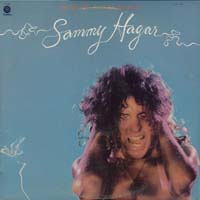 1996Nine on a Ten Scale
 1996Musical Chairs
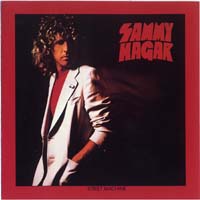 1992Street Machine
 1992I Never Said Goodbye
 1984VOA
 1982Three Lock Box
 1981Standing Hampton