
One week with Dancing on the Ceiling: thoughts on Lionel Richie
Dancing on the Ceiling- Album Overview
"Dancing on the Ceiling," released on June 5, 1986, is Lionel Richie's third solo studio album. Following the massive successes of his previous works, this album was released under the Motown label and produced by Richie himself alongside James Anthony Carmichael. The recording sessions took place at the renowned Ocean Way Recording studio in Los Angeles, where Richie worked meticulously to craft a sound that blended pop, R&B, and funk, showcasing his versatility as an artist.
The album features a total of 10 tracks, highlighted by its title track, "Dancing on the Ceiling," which became a chart-topping single. Other notable singles include "Say You Say Me," which was written for the film "White Nights" and earned Richie an Academy Award for Best Original Song. The album's blend of upbeat melodies and heartfelt ballads helped it to resonate with a wide audience, solidifying Richie's place in the music landscape of the 1980s.
Musically, "Dancing on the Ceiling" is characterized by its infectious grooves and polished production, with elements of jazz, soul, and dance. The album's cultural significance lies in its ability to capture the joy and exuberance of the era, contributing to the popularization of the "dance-pop" genre. Richie's collaboration with musicians such as saxophonist Kenny G and the legendary keyboardist Greg Phillinganes added depth and richness to the album's sound, making it a beloved classic.
Review
As a cohesive body of work, "Dancing on the Ceiling" showcases Lionel Richie's unique ability to blend various musical styles while maintaining his signature sound. The title track, with its infectious chorus and danceable rhythm, encapsulates the album's overall spirit—celebratory and uplifting. Richie's smooth vocals glide effortlessly over the production, making each track enjoyable and memorable.
Lyrically, Richie explores themes of love, celebration, and the joy of living, which are effectively conveyed through his heartfelt delivery. The album does not shy away from emotional depth; tracks like "Say You Say Me" reveal a more reflective side, showcasing Richie's prowess as a songwriter. However, the album's upbeat tracks often overshadow these moments, leading to a somewhat uneven listening experience.
Artistically, "Dancing on the Ceiling" is a testament to Richie's vision of creating music that transcends genres. It captures the essence of the mid-80s, with its vibrant soundscapes and polished production, making it a timeless piece of work that resonates even today.
Highlights
- Infectious energy of the title track, "Dancing on the Ceiling."
- Emotional depth and lyrical richness in "Say You Say Me."
- Seamless blend of musical styles, showcasing Richie's versatility.
Weak points
- Some tracks may feel overshadowed by the more popular singles.
- The upbeat tone may not resonate with listeners seeking more introspective content.
- Production, while polished, can feel overly commercial at times.
Overall evaluation
"Dancing on the Ceiling" stands as a significant album in Lionel Richie's career, capturing the exuberance of the 1980s while showcasing his artistic range. Its infectious melodies and heartfelt lyrics make it a memorable listening experience, even if some tracks may not reach the same heights as the singles. Overall, it's a delightful blend of pop and R&B that remains relevant and enjoyable.
Personal rating: 8/10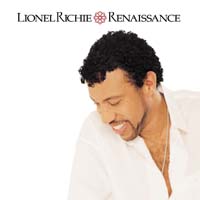 2000Renaissance
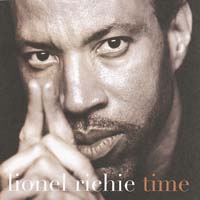 1998Time
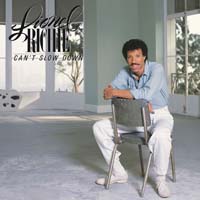 1983Can't Slow Down