
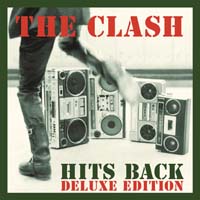
Check the vibes: The Clash – Cut the Crap
Cut the Crap- Album Overview
"Cut the Crap" is the fifth and final studio album by the iconic British punk band The Clash, released on November 4, 1985, under the Epic Records label. This album marked a significant departure from the band's earlier sound, which was characterized by its punk roots and politically charged lyrics. Produced by the band's former manager, Bernie Rhodes, "Cut the Crap" was recorded in a context rife with internal strife and lineup changes. Notably, it was the first album to feature only Joe Strummer and drummer Pete Howard, with the absence of founding members Mick Jones and Topper Headon, which profoundly impacted the band's dynamic. The album's recording process was tumultuous, reflecting the band's fractured state; Strummer himself later expressed dissatisfaction with the final product, feeling it did not fully capture the essence of The Clash. The lead single, "This Is England," exemplifies the band's attempt to address contemporary issues, including social unrest and the socio-political climate of the UK during the 1980s. Other tracks like "We Are the Clash" and "Dirty Punk" showcase a more streamlined, rock-oriented sound, diverging from the raw energy of their previous works. Despite mixed reviews upon its release, "Cut the Crap" has garnered retrospective appreciation, as it encapsulates a pivotal moment in The Clash's history and the evolution of punk music, marking a transition into a more commercially accessible sound while still holding onto the band's original ethos of rebellion and commentary on societal issues.
Review
"Cut the Crap" is a complex album that elicits a range of responses from listeners. On one hand, it retains the band's signature urgency, with driving rhythms and Strummer's passionate vocal delivery. However, the album's sound diverges significantly from the raw, gritty punk of their earlier work, leaning more toward a polished rock production that some fans found jarring. The lyrics often reflect a sense of disillusionment and frustration with the state of society, which is a hallmark of The Clash's work, yet the execution feels somewhat diluted compared to their groundbreaking albums like "London Calling." Strummer's songwriting remains incisive, tackling themes of identity and societal decay, but the arrangements sometimes lack the dynamic interplay that characterized their earlier albums. The use of synthesizers and a more straightforward rock sound can feel alien to long-time fans. Ultimately, "Cut the Crap" serves as a bittersweet farewell, revealing the struggles within the band while still showcasing their commitment to addressing pressing social issues through music.
Highlights
- Strong lyricism addressing relevant social issues, particularly in "This Is England."
- Joe Strummer's passionate vocal performance throughout the album.
- A sense of urgency and energy that still resonates despite production choices.
Weak points
- Production choices that may alienate fans of their earlier, raw punk sound.
- Lack of the original lineup, which impacts the band's dynamic and overall sound.
- Some tracks feel more like filler and less cohesive compared to their classic albums.
Overall evaluation
In conclusion, while "Cut the Crap" may not stand as the definitive work of The Clash, it provides a fascinating glimpse into the band's evolution during a tumultuous period. The album's themes remain relevant, and despite its flaws, it possesses moments of brilliance that echo the band's enduring spirit. It serves both as a testament to their legacy and a reflection of the challenges they faced as a band.
Personal rating: 6/10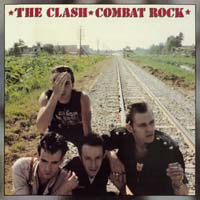 1982Combat Rock