

A closer look at Soft Cell's album Cruelty Without Beauty
Cruelty Without Beauty- Album Overview
Released in 2002, "Cruelty Without Beauty" marks the long-awaited return of the iconic synth-pop duo Soft Cell, known for their influential sound in the 1980s. This album was released through the Mute Records label, a significant platform for electronic music. "Cruelty Without Beauty" represents a revival for the band, coming nearly two decades after their last studio album, "This Last Night in Sodom" (1984). The duo, consisting of Marc Almond and David Ball, reunited to create a collection that both harkens back to their roots and explores new musical territories, showcasing their evolution as artists. The album was recorded with a mix of contemporary production techniques and the classic synth sound that characterized their earlier work. Collaborators on the project included renowned producer and musician, Steve Hague, who contributed to the polished sound of the record. The lead single, "The Night," encapsulates the duo's signature blend of melancholic lyrics and infectious synth melodies, while other tracks like "Last Chance" and "Monoculture" further explore themes of love, loss, and the complexities of modern life. "Cruelty Without Beauty" not only showcases Soft Cell's ability to adapt to changing musical landscapes but also reinforces their cultural significance in the realm of electronic and pop music. The album received positive reviews for its mature sound and lyrical depth, solidifying Soft Cell's legacy as pioneers of synth-pop.
Review
"Cruelty Without Beauty" is a compelling listen that exhibits both nostalgic elements and forward-thinking artistry. The sound palette is rich, combining lush synths with Almond's emotive vocal delivery, which remains as captivating as ever. The lyrical content, often introspective and poignant, reflects a maturity that comes with age, addressing themes that resonate on both personal and societal levels. Tracks like "The Night" highlight Almond's ability to convey deep emotion, reflecting on themes of longing and heartache. The production, courtesy of Hague, is polished yet retains an organic feel, allowing the synths to breathe and the vocals to take center stage. The album's overall aesthetic is a beautiful blend of the old and the new, showcasing how Soft Cell has evolved while still honoring their roots. Despite its strengths, the album occasionally dips into overly familiar territory, echoing sounds from their earlier works without fully pushing boundaries. However, the moments of brilliance found in the standout tracks make this a noteworthy addition to their discography.
Highlights
- Strong emotional resonance in lyrics and vocals.
- Rich, layered production that blends classic and contemporary sounds.
- Standout tracks that reaffirm the duo's relevance in modern music.
Weak points
- Some tracks may feel derivative of their earlier work.
- A few songs lack the punch of their most memorable hits.
- Production choices may not appeal to all listeners looking for innovation.
Overall evaluation
"Cruelty Without Beauty" is a testament to Soft Cell's enduring legacy, offering a poignant blend of nostalgia and innovation. While it may not completely redefine their sound, it successfully captures the essence of what made them iconic in the first place. The album is a worthy addition to their catalog and serves as a reminder of their impact on the music landscape. Personal rating: 7/10
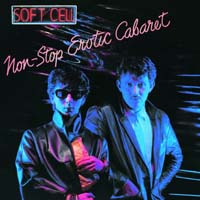 1981Non-Stop Erotic Cabaret