
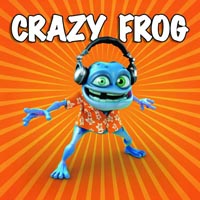
Crazy Frog Presents Crazy Hits: exploring the world of Crazy Frog
Crazy Frog Presents Crazy Hits- Album Overview
"Crazy Frog Presents Crazy Hits" is a compilation album released in 2005 by the iconic animated character Crazy Frog, created by Erik Wernquist. The album was released under the label Universal Music and features a collection of novelty songs that blend electronic dance music with pop elements. The most notable track on the album is the infamous "Axel F," which is a reinterpretation of Harold Faltermeyer’s theme from the 1984 film "Beverly Hills Cop." This track gained massive popularity, reaching the top of the charts in multiple countries and solidifying Crazy Frog's status as a cultural phenomenon.
The album also includes other notable tracks such as "We Like to Party," "Popcorn," and "Crazy Frog in the House," showcasing the character's trademark high-pitched voice and catchy hooks. These tracks were produced by a collaboration of various musicians and producers who aimed to create a fun and engaging listening experience, often appealing to children and families. The sound is characterized by upbeat melodies, synthesized sounds, and a playful atmosphere that contributed to the early 2000s novelty music trend. The success of "Crazy Frog Presents Crazy Hits" can be attributed to the viral nature of its songs, bolstered by animated videos that captivated audiences on platforms such as YouTube.
Culturally, Crazy Frog emerged as a symbol of the early internet age, where quirky characters and catchy tunes could spread rapidly through online platforms. The album's impact on pop culture is evident in its sustained popularity and the nostalgia it evokes among those who grew up during its release. The Crazy Frog phenomenon is a testament to the power of viral marketing and the blending of technology with music, making it a unique entry in the landscape of pop music history.
Review
The sound of "Crazy Frog Presents Crazy Hits" is undeniably catchy, marked by its playful electronic beats and high-energy rhythms. The album thrives on its novelty appeal, offering a light-hearted musical experience that is both entertaining and engaging. The lyrics, while simplistic and often nonsensical, are designed to be memorable and singable, ensuring that they resonate with a younger audience. Artistically, Crazy Frog embodies a unique vision that combines animation with music, creating a multi-sensory experience that captures the essence of early 2000s pop culture.
However, the album's repetitive nature and reliance on novelty can be seen as a double-edged sword. While it successfully entertains for short bursts, the lack of depth in both composition and lyrical content may not hold the attention of older listeners seeking more substantial musical experiences. Overall, the project's artistic vision is rooted in fun and enjoyment, making it a perfect fit for its intended demographic.
Highlights
- Catchy and memorable tunes that appeal to children and families.
- Innovative blending of animation and music, creating a unique entertainment experience.
- Cultural significance as a viral sensation in the early 2000s pop landscape.
Weak points
- Repetitive sound and simplistic lyrics may not engage older audiences.
- Lack of musical depth and complexity in production.
- Heavy reliance on novelty may limit its longevity in popular music discussions.
Overall evaluation
"Crazy Frog Presents Crazy Hits" is a fascinating exploration of the intersection between novelty and music in the early 2000s. While it may not offer the musical depth of more traditional albums, its cultural impact and entertaining qualities make it a noteworthy entry in pop history.
Personal rating: 6/10