

The evolution of Chico Buarque-Construção in Construção
Album overview
Released in 1971, "Construção" is a landmark album by Brazilian musician Chico Buarque, produced under the label Philips Records. The album emerged during a politically turbulent period in Brazil, characterized by censorship and repression due to the military dictatorship. Buarque, known for his poetic and socially conscious lyrics, used this album to showcase the struggles of the working class and the impact of urbanization.
The recording features a collaboration with several notable musicians, including the legendary arranger and conductor, orchestrator and composer, Eumir Deodato. The album comprises 13 tracks, each telling the story of workers in a city undergoing rapid industrialization, ultimately serving as a tribute to those who build the metropolis while remaining largely invisible in society. Key tracks include "Construção," "Cálice," and "O Mundo é um Moinho."
Thematically, "Construção" is a reflection on life, death, and the often-overlooked sacrifices made by laborers. The production employs intricate arrangements, blending samba and MPB (Música Popular Brasileira) to create a rich sonic tapestry. The album's cultural significance lies in its ability to transcend mere entertainment, acting as both a critique of societal structures and a heartfelt ode to the working class. "Construção" remains a pivotal work in Buarque's discography, cementing his status as one of Brazil's most significant musical voices.
Review
Chico Buarque's "Construção" is a profound exploration of the intersection between individual lives and the broader socio-political landscape of Brazil in the 1970s. Musically, the album is characterized by its innovative structure, where Buarque employs a unique narrative style that intertwines the lives of various construction workers. The lyrics are poignant and rich in imagery, painting a vivid picture of their daily struggles and ultimate sacrifices.
The production quality is exceptional, with orchestral arrangements that complement Buarque's voice, enhancing the emotional weight of each song. Tracks like "Construção" stand out not only for their musicality but also for their lyrical depth, as Buarque uses repetition and rhythm to emphasize the monotony and tragedy of the workers' lives. The artistic vision behind this album is a testament to Buarque's ability to fuse political commentary with artistic expression, making "Construção" not just an album, but a cultural artifact that speaks to the resilience of the human spirit.
Highlights
- The innovative narrative style that connects multiple stories of construction workers.
- Exceptional orchestral arrangements that enhance the emotional impact of the lyrics.
- Timeless relevance, reflecting themes of social justice and individual sacrifice.
Weak points
- Some listeners may find the complex structure challenging to engage with initially.
- The album's heavy themes may not appeal to all audiences looking for lighter content.
- Limited commercial appeal outside of Brazil due to its culturally specific context.
Overall evaluation
"Construção" is an extraordinary work that showcases Chico Buarque's genius in marrying music with social commentary. Its powerful storytelling and lush arrangements create an unforgettable listening experience that resonates with both historical and contemporary audiences.
Personal rating: 9/10 ```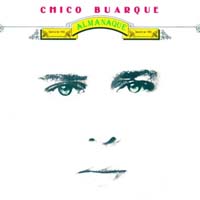 1981Almanaque
 1976Meus caros amigos
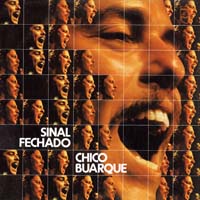 1974Sinal fechado
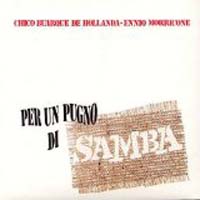 1970Per un pugno di samba
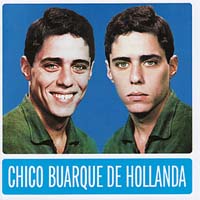 1966Chico Buarque de Hollanda