
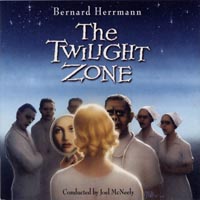
Exploring the sound of Bernard Herrmann: Concerto Macabre
Concerto Macabre- Album Overview
Released in 1970, "Concerto Macabre" is one of the notable works by legendary composer Bernard Herrmann, renowned for his film scores, particularly his collaborations with Alfred Hitchcock. The album was released under the Varèse Sarabande label, a significant company in the realm of film music. Herrmann, who was a pioneer in blending orchestral and avant-garde elements, composed this piece to showcase his unique style outside the confines of film. The "Concerto Macabre" serves as a testament to his ability to evoke emotion and tension through orchestration.
This work features a small orchestra, typical of Herrmann's preference for intimate soundscapes that create a haunting atmosphere. The album is a reflection of Herrmann's fascination with the macabre, drawing inspiration from gothic literature and themes of horror. While there are no official singles released from the album, its tracks stand out as vivid representations of Herrmann's genius, encapsulating his mastery of mood and narrative through music.
Collaborators on this album included prominent musicians and orchestras who helped bring Herrmann's vision to life. The recording quality is notable for its time, capturing the intricate details of Herrmann's compositions. "Concerto Macabre" has since gained recognition not only for its artistic merit but also for its cultural significance, influencing the genre of film scores and contemporary classical music. Herrmann's work continues to resonate with audiences, making this album an essential listen for those interested in the evolution of film music and orchestral compositions.
Review
"Concerto Macabre" is a striking exploration of Bernard Herrmann's distinctive musical language. The album encapsulates the tension and drama that Herrmann is famous for, with each track weaving together a narrative steeped in dark emotion. The orchestration is sparse yet powerful, allowing for a haunting atmosphere that lingers long after the music has ended. Herrmann's use of dissonance and unconventional rhythms creates an unsettling mood, perfectly aligning with the macabre theme of the album.
Unlike traditional concertos, Herrmann's approach here is more about storytelling than virtuosity. The music flows like a cinematic score, with each movement evoking vivid images and emotions. While there are no lyrics to dissect, the expressive quality of the instrumentation speaks volumes, conveying feelings of dread, suspense, and introspection. Herrmann's artistic vision shines through, demonstrating his ability to transcend the limitations of film music and establish a standalone body of work that is both innovative and deeply affecting.
Highlights
- The intricate orchestration that showcases Herrmann's masterful use of tension and release.
- The ability to evoke strong emotions and vivid imagery without the need for lyrics.
- The cultural significance of the album as a pivotal piece in the evolution of film music.
Weak points
- The niche appeal may limit its audience to primarily classical and film music enthusiasts.
- Some tracks may feel repetitive to those unfamiliar with Herrmann's style.
- The album lacks the widespread recognition of Herrmann's more famous film scores.
Overall evaluation
Bernard Herrmann's "Concerto Macabre" is a compelling exploration of the darker aspects of his musical palette. While it may not reach the same iconic status as his film scores, it stands as a significant work that highlights his talent and artistic vision. The album is a must-listen for those interested in the intersection of classical music and film score composition.
Personal rating: 8/10