
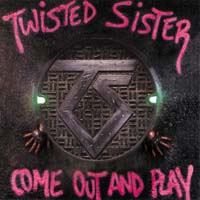
Come Out and Play: exploring the world of Twisted Sister
Come Out and Play- Album Overview
Released on May 10, 1985, "Come Out and Play" is the third studio album by the American heavy metal band Twisted Sister. This album was produced by the renowned Beau Hill, known for his work with other rock acts of the era. Released under Atlantic Records, "Come Out and Play" followed the band's successful 1984 album, "Stay Hungry," which had catapulted them into mainstream success with hits like "We're Not Gonna Take It" and "I Wanna Rock." With a runtime of approximately 39 minutes, the album features a blend of heavy metal and glam rock, showcasing the band's signature anthemic sound and flamboyant style. The album's thematic elements often revolve around rebellion and empowerment, which are hallmarks of the band's lyrics. Notable tracks include the title track "Come Out and Play," which became a staple of their live performances, and "The Price," which showcases a more introspective side of the band. Despite its commercial appeal, the album received mixed reviews from critics upon release. The singles "Come Out and Play" and "The Price" did achieve some radio play, but they did not replicate the chart-topping success of their previous hits. Musically, the album features the powerful vocals of lead singer Dee Snider, with intricate guitar work by Jay Jay French and Eddie Ojeda. The production quality reflects the glam metal sound of the mid-1980s, characterized by polished instrumentals and catchy hooks. While "Come Out and Play" did not reach the heights of its predecessor, it remains an important part of Twisted Sister's discography and a notable entry in the heavy metal genre, resonating with fans who appreciate the band's theatricality and rebellious spirit.
Review
Musically, "Come Out and Play" retains the hard-hitting sound that Twisted Sister is known for, but it also attempts to expand their sonic palette. The album's title track introduces a more melodic approach, juxtaposed with the aggressive edge that permeates their earlier work. However, the lyrics often fall into familiar territory, focusing on themes of defiance and freedom. While this resonates with the band's devoted fanbase, it can feel repetitive for listeners seeking deeper lyrical exploration. The production by Beau Hill is polished, ensuring that each instrument shines through, but this can sometimes lead to a sound that feels overly refined for a genre known for its raw energy. The standout track "The Price" reveals a more vulnerable side of Snider's songwriting, reflecting on personal struggles and the cost of fame, which adds depth to the album. Despite its flaws, the album remains a testament to Twisted Sister's ability to craft memorable anthems, even if it doesn't quite reach the heights of their best work.
Highlights
- The powerful vocal performance by Dee Snider, especially in tracks like "The Price."
- The catchy hooks and anthemic choruses that define Twisted Sister's sound.
- The production quality, which provides a polished finish to the band's energetic performances.
Weak points
- The album does not match the commercial success of its predecessor, "Stay Hungry."
- Some lyrics may feel repetitive and lack the depth found in other rock offerings of the time.
- The polished production may detract from the raw energy typical of the heavy metal genre.
Overall evaluation
While "Come Out and Play" may not have reached the heights of Twisted Sister's most celebrated albums, it still offers an enjoyable listen for fans of glam metal. Its anthemic tracks and Snider's passionate vocals make it a worthy addition to the band's catalogue.
Personal rating: 7/10 2006A Twisted Christmas
 2004Still Hungry
 2001Club Daze Volume II: Live in the Bars
 1987Love Is for Suckers
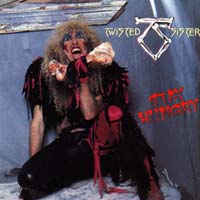 1984Stay Hungry
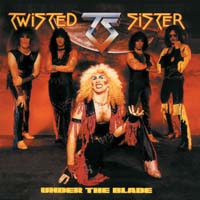 1982Under the Blade