
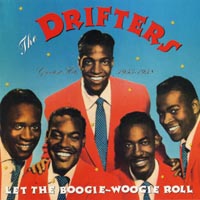
The Drifters experiments boldly on Clyde Mcphatter & The Drifters
Clyde Mcphatter & The Drifters- Album Overview
Released in 1953, "Clyde McPhatter & The Drifters" marked a significant turning point in the landscape of rhythm and blues, showcasing the smooth vocal stylings of Clyde McPhatter, who was an original member of The Drifters. This self-titled album was produced under the Atlantic Records label, a powerhouse in the genre, and featured a mix of doo-wop, R&B, and gospel influences that would help shape the direction of popular music in the coming decades. The album consists of tracks that highlight McPhatter's soaring tenor voice, which seamlessly blends with the harmonies of the other members, including notable contributions from future Drifters who would carry on the legacy of the group. The recording sessions took place in the early 1950s, a time when the group was beginning to experiment with their sound, blending traditional R&B with emerging pop elements. The album features timeless tracks such as "Money Honey," which became a chart-topping hit, and "Such a Night," both showcasing the group's intricate vocal arrangements and McPhatter's emotive delivery. The production was overseen by Jerry Wexler, an influential figure in music history, who helped polish the group's sound for a broader audience. The cultural significance of this album cannot be overstated, as it laid the groundwork for future soul and R&B artists, influencing legends such as Sam Cooke and Otis Redding. The combination of gospel roots and secular themes in this work exemplifies the transformative power of music during the era.
Review
The album "Clyde McPhatter & The Drifters" stands as a testament to the innovative spirit of The Drifters during a pivotal time in American music. McPhatter's vocal prowess shines throughout, delivering lyrics that are both heartfelt and relatable. The musical arrangements are lush and sophisticated, blending traditional doo-wop harmonies with a more polished pop sound that appealed to a wider audience. Tracks like "Money Honey" and "Such a Night" are not just catchy; they capture a sense of longing and desire that resonates with listeners. The production quality is remarkable for its time, allowing each member's voice to shine while maintaining a cohesive sound. While the lyrical themes often revolve around love and heartbreak, the overall sound is uplifting, a characteristic that would define much of The Drifters' work. However, the album also reflects the transitional phase of the group, as they were still defining their identity amidst the changing musical landscape of the 1950s. Overall, the artistic vision behind this album showcases a group ready to push musical boundaries while staying true to their roots.
Highlights
- Exceptional vocal performance by Clyde McPhatter
- Innovative blending of doo-wop and R&B sounds
- Enduring cultural impact that influenced future generations of artists
Weak points
- Some tracks may feel dated to modern listeners
- Limited variety in lyrical themes across the album
- Not all songs achieved the same level of popularity
Overall evaluation
"Clyde McPhatter & The Drifters" is a landmark album that captures the essence of a transformative era in music. With its rich vocal harmonies and emotional depth, it remains a cornerstone of R&B history. While it showcases a few limitations typical of its time, the album's overall quality and influence are undeniable.
Personal rating: 8/10