
Why Django Reinhardt's Classic Early Recordings matters
Classic Early Recordings- Album Overview
Django Reinhardt's "Classic Early Recordings," released in 1934, captures the essence of his groundbreaking contributions to jazz and gypsy music. These recordings were made during a pivotal time in the evolution of jazz, reflecting a blend of European musical traditions with the improvisational spirit of American jazz. The album features tracks recorded primarily for the Ultraphone and Decca labels, showcasing Reinhardt's virtuosic guitar playing and innovative techniques that would later influence countless musicians.
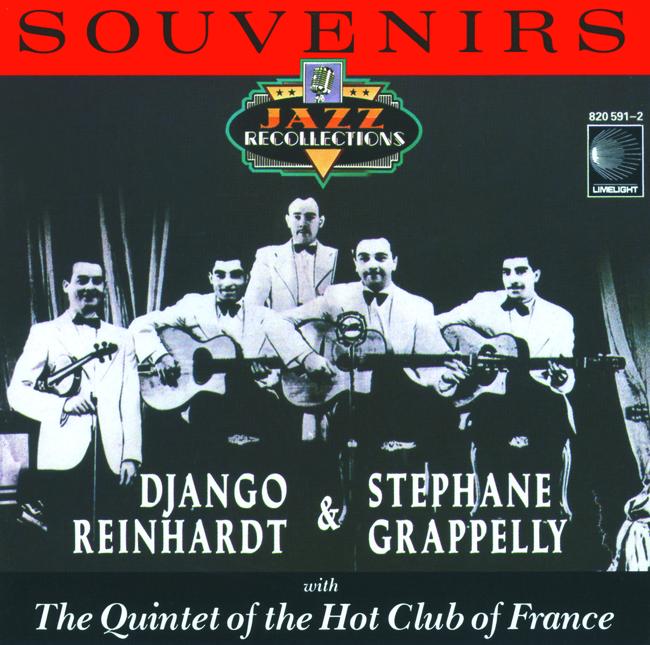
One of the most significant aspects of this collection is the collaboration with the Quintette du Hot Club de France, which included renowned violinist Stéphane Grappelli. Their partnership laid the foundation for a new genre known as "Gypsy Jazz," characterized by its upbeat tempo, intricate melodies, and the unique rhythm of a guitar-driven ensemble. Notable tracks such as "Minor Swing" and "Djangology" exemplify Reinhardt's ability to weave complex harmonies and improvisational flair into his compositions.
The cultural significance of these recordings cannot be overstated. At a time when Europe was on the brink of World War II, Reinhardt's music provided a sense of escape and joy. His unique style and sound resonated with audiences both in Europe and across the Atlantic, establishing him as a pioneer of jazz guitar. The "Classic Early Recordings" not only highlight Reinhardt's technical prowess but also capture the spirit of an era, making it an essential listen for anyone interested in the roots of modern jazz.
Review
The sound of "Classic Early Recordings" is both raw and exhilarating, giving listeners a glimpse into the innovative spirit of the 1930s jazz scene. Reinhardt's guitar work is nothing short of mesmerizing; his ability to blend speed with intricate phrasing sets a standard that remains influential to this day. The interplay between Reinhardt and Grappelli is particularly noteworthy, with their musical dialogue bringing a vibrant energy to each performance.
While the album features mostly instrumental tracks, the absence of lyrics does not detract from its emotional impact. The music speaks volumes through its melodies and rhythms, conveying a wide range of feelings from joy to nostalgia. Reinhardt's vision for a new sound—one that transcended cultural boundaries—shines through in every note, making this collection an enduring testament to his genius.
Highlights
- Virtuosic guitar technique that set new standards in jazz.
- Collaborative synergy between Django Reinhardt and Stéphane Grappelli.
- Historical significance in the development of Gypsy Jazz and its impact on future generations of musicians.
Weak points
- Some tracks may feel repetitive to contemporary listeners.
- The production quality reflects the limitations of the era, which might not appeal to all audiences.
- Lack of vocal tracks could limit engagement for listeners who prefer lyrical content.
Overall evaluation
Django Reinhardt's "Classic Early Recordings" is a landmark collection that showcases the birth of Gypsy Jazz and the technical brilliance of one of its most influential figures. While it may have some limitations in terms of production and lyrical content, its historical and musical significance makes it a must-listen for jazz enthusiasts and newcomers alike.
Personal rating: 9/10 1976Django Reinhardt