
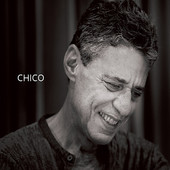
Unpacking Chico Buarque's Chico Buarque De Hollanda, Nº 4
Chico Buarque De Hollanda, Nº 4- Album Overview
Released in 1970, "Chico Buarque De Hollanda, Nº 4" is a pivotal album in the Brazilian music landscape, showcasing the talents of the legendary artist Chico Buarque. This album was released under the Philips label during a time of political turmoil in Brazil, as the country was under military dictatorship. The album encapsulates the fusion of samba, bossa nova, and MPB (Música Popular Brasileira), reflecting Buarque's lyrical prowess and musical innovation.
The recording sessions took place in Rio de Janeiro, and Buarque collaborated with several notable musicians, including the renowned arranger and conductor, Eumir Deodato. The album features a mix of Buarque's own compositions and interpretations of Brazilian popular music, which resonate deeply with the country's cultural identity. Some standout tracks include "Construção," a poignant commentary on the lives of workers, and "O Mundo É um Moinho," which showcases his ability to blend poetic lyrics with complex melodies.
The singles released from this album, particularly "Construção," have since become classics, highlighting Buarque's commitment to social commentary through music. The album is significant not only for its artistic merit but also for its role in resisting the oppressive regime of the time, as Buarque's lyrics often contained veiled critiques of the government. The work remains a cornerstone in the canon of Brazilian music, influencing generations of artists and listeners alike.
Review
Chico Buarque's "Chico Buarque De Hollanda, Nº 4" stands as a testament to the artist's unmatched ability to blend intricate storytelling with rich musical textures. The album's sound is characterized by lush arrangements that intertwine traditional Brazilian rhythms with contemporary influences, creating a soundscape that is both timeless and innovative. Buarque's voice, filled with emotion, carries the weight of his lyrics, often exploring themes of love, loss, and societal critique.
The lyrical depth of the tracks is particularly striking. Buarque's sophisticated use of metaphor and imagery invites listeners into a world where personal experiences are interwoven with broader social issues. This artistic vision not only reflects the struggles of the Brazilian populace during a tumultuous period but also resonates universally, transcending cultural barriers. The album's production is polished yet retains an organic feel, allowing the raw emotion of the performances to shine through. Overall, "Chico Buarque De Hollanda, Nº 4" is a masterclass in songwriting and musicality, cementing Buarque's status as one of Brazil's most important cultural figures.
Highlights
- Exceptional lyrical depth and storytelling.
- Innovative blend of traditional and contemporary Brazilian music styles.
- Powerful emotional delivery and vocal performance by Buarque.
Weak points
- Some tracks may feel less accessible to those unfamiliar with Brazilian music.
- Occasional musical complexity may overshadow lyrical clarity for casual listeners.
- Limited commercial appeal outside of Brazil during its initial release.
Overall evaluation
"Chico Buarque De Hollanda, Nº 4" is a landmark album that encapsulates the spirit of an era while showcasing the artistic genius of Chico Buarque. It remains a vital piece of Brazilian music history and continues to inspire artists and audiences around the world.
Personal rating: 9/10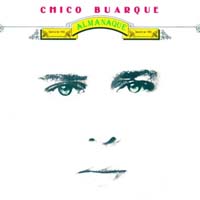 1981Almanaque
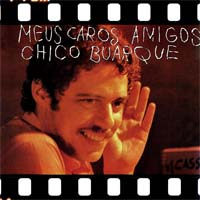 1976Meus caros amigos
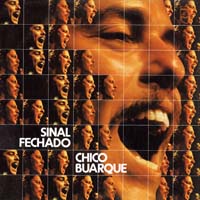 1974Sinal fechado
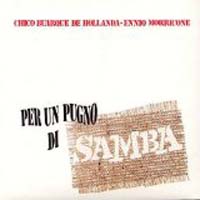 1970Per un pugno di samba
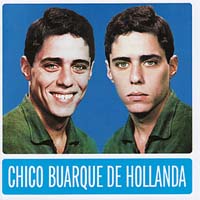 1966Chico Buarque de Hollanda