ALBUM NOTESBreaking down the themes in Chicago by Chicago
Chicago- Album Overview
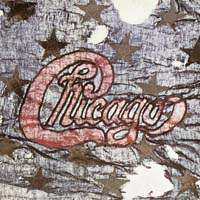
The self-titled album "Chicago," released in 1970, marks the band's second studio album and is a pivotal entry in their discography. Produced by James William Guercio and released under the Columbia Records label, the album showcases the unique fusion of rock and jazz that Chicago is renowned for. Recorded in Los Angeles, the album features the band's classic lineup, including Robert Lamm, Peter Cetera, Terry Kath, and Danny Seraphine, among others.
"Chicago" includes several standout tracks, notably "25 or 6 to 4," which became one of the band's signature songs and showcases their distinctive horn arrangements combined with compelling rock rhythms. The album's blend of rock with orchestral elements reflects the era's experimentation and innovation in music. The single "Does Anybody Really Know What Time It Is?" further emphasizes the band's introspective lyrics and social commentary, a recurring theme in their catalog.
The cultural significance of this album cannot be overstated; it helped solidify Chicago's position in the music scene of the 1970s and paved the way for future rock bands incorporating brass sections. The album's themes of introspection, urban life, and the quest for meaning resonate deeply, reflecting the societal changes happening at the time. Chicago’s ability to blend complex musical elements with relatable lyrics has made this album a timeless piece of art.
Review
Chicago’s self-titled album is a masterclass in the seamless blend of genres, showcasing their unique ability to weave together rock, jazz, and pop sensibilities. The production by James William Guercio is both polished and organic, allowing the musicianship of the band to shine. The opening track, "Introduction," sets the stage with a vibrant orchestral flourish that leads into the powerful "25 or 6 to 4." This track is a standout, featuring a compelling guitar solo by Terry Kath and an infectious horn arrangement that has become a hallmark of the band's sound.
Lyrically, the album navigates themes of existential inquiry and urban life, which are particularly poignant in "Does Anybody Really Know What Time It Is?" The introspective lyrics invite listeners to reflect on their own lives and the nature of time—a theme that resonates deeply even today. The overall musicality is impressive, with each member contributing to a rich tapestry of sound that feels both expansive and intimate.
The artistic vision of Chicago is clear; they sought to create music that was not only entertaining but also thought-provoking. This ambition is evident throughout the album, as they tackle complex emotions and social themes with a maturity that belies their youth.
Highlights
- Innovative fusion of rock and jazz elements.
- Iconic tracks like "25 or 6 to 4" and "Does Anybody Really Know What Time It Is?" showcase lyrical depth and musical prowess.
- Impressive musicianship from all band members, particularly in their use of brass instruments.
Weak points
- Some tracks may feel dated to contemporary audiences.
- Not all songs have the same level of lyrical impact as the singles.
- The production, while polished, can occasionally overshadow the raw energy of live performances.
Overall evaluation
Chicago's self-titled album is a significant milestone in their career and in the music of the 1970s. It showcases a blend of genres that was groundbreaking for its time, elevating the standard for rock bands with orchestral influences. While certain tracks may not resonate as strongly with modern listeners, the album remains a testament to the band's artistry and the era's cultural landscape.
Personal rating: 8/10

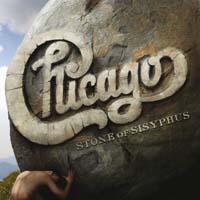 2008Stone of Sisyphus
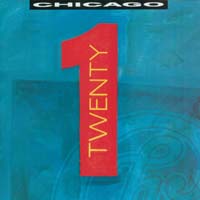 1991Twenty 1
 1982Chicago 16
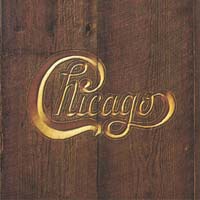 1972Chicago V
 1971Chicago III