
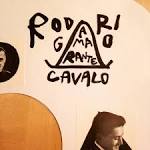
Rodrigo Amarante – Cavalo: track-by-track perspective
Cavalo- Album Overview
Released in 2013, "Cavalo" marks the debut solo album of Brazilian musician Rodrigo Amarante, known for his previous work with the bands Los Hermanos and Orquestra Imperial. The album was released under the label Polyvinyl Record Co. and showcases Amarante's distinctive blend of Brazilian music, folk, and indie pop. The recording took place in various locations, including the lush landscapes of Rio de Janeiro and the vibrant energy of Los Angeles, reflecting the artist's diverse influences and experiences.
Amarante collaborated with several talented musicians during the production, including drummer Gabriel Bubu and bassist Felipe Cordeiro, which adds depth to the album's sound. "Cavalo" features a total of 10 tracks, with standout singles like "Tua" and "O Leãozinho." The album's lyrical content often explores themes of love, longing, and identity, all while incorporating traditional Brazilian rhythms and melodies.
The significance of "Cavalo" transcends its immediate musical appeal; it captures a moment in contemporary Brazilian music where artists are increasingly blending traditional sounds with modern influences. The album received critical acclaim for its introspective lyrics and rich instrumentation, establishing Amarante as a prominent figure in the global music scene.
Review
"Cavalo" is a beautifully textured album that reflects Rodrigo Amarante's artistic vision, where each track feels like a carefully crafted vignette. The sound oscillates between gentle acoustic guitar strumming and lush orchestral arrangements, creating an immersive sonic landscape. Lyrically, Amarante's poetic songwriting shines, often drawing on personal experiences and cultural references that resonate deeply with listeners. The artist's soft, yet compelling vocal delivery enhances the emotive weight of the songs, inviting the audience to connect with the underlying sentiments of nostalgia and yearning.
Musically, the album elegantly navigates through various genres, from the bossa nova-inflected "Tua" to the more upbeat and rhythmic "Maná," showcasing Amarante's versatility as a songwriter. The production is both intimate and expansive, providing a fitting backdrop for his introspective lyrics. Overall, "Cavalo" stands as a testament to Amarante's unique voice in a crowded musical landscape.
Highlights
- Rich and diverse soundscapes that fuse Brazilian music with indie influences.
- Poetic and introspective lyrics that resonate on a personal level.
- Strong collaborations that enhance the album's overall depth and texture.
Weak points
- Some tracks may feel less impactful compared to the standout singles.
- The album's slower pace may not appeal to all listeners.
- Occasional reliance on familiar themes could lead to predictability in certain songs.
Overall evaluation
"Cavalo" is a striking debut that showcases Rodrigo Amarante's artistry and depth. While it has its flaws, the album's strengths far outweigh them, making it a significant contribution to contemporary Brazilian music.
Personal rating: 8/10