
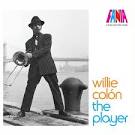
A closer look at Willy Colon's album Canciones Del Solar De Los Aburridos
Canciones Del Solar De Los Aburridos- Album Overview
Released in 1970, "Canciones Del Solar De Los Aburridos" is a seminal album by Puerto Rican musician Willy Colon, a significant figure in the Latin music scene known for his innovative contributions to salsa. The album was produced under the Fania Records label, which played a critical role in the popularization of salsa music in the United States and Latin America during the late 20th century. Colon's work is characterized by its rich blend of traditional Afro-Caribbean rhythms with jazz influences, and this album is no exception. It features a vibrant mix of songs that resonate with the experiences of everyday life in Puerto Rican neighborhoods, reflecting both social issues and cultural pride. The recording sessions brought together a talented ensemble, including prominent musicians like Héctor Lavoe, who would later become one of salsa's most iconic vocalists. The collaboration with Lavoe is especially noteworthy, as it laid the groundwork for their future partnership, which would yield many celebrated works in the genre. The album includes tracks that showcase Colon's ability to fuse intricate brass arrangements with heartfelt lyrics, making the music both danceable and deeply emotional. "Canciones Del Solar De Los Aburridos" includes memorable songs such as "El Manicero" and "La Murga," which have become classics in the salsa repertoire. The album's title translates to "Songs from the Boredom's Solar," hinting at the everyday struggles and joys of life in the urban landscape. This work is not just an album; it is a cultural artifact that captures the essence of a community and its resilience. The album's release coincided with a period of social change in Puerto Rico, making its themes particularly relevant and resonant. The significance of this album continues to be recognized, as it laid the groundwork for future generations of salsa musicians and remains a touchstone in the genre's evolution.
Review
Willy Colon's "Canciones Del Solar De Los Aburridos" is a vibrant tapestry of sound that deftly balances the complexities of life with the infectious rhythms of salsa. The album opens with a dynamic energy, immediately drawing listeners into Colon's world. His signature trombone playing is both bold and nuanced, providing a solid foundation that supports the intricate melodies woven by the ensemble. The collaboration with Héctor Lavoe adds a layer of depth to the lyrics, which often reflect themes of love, struggle, and community. The artistry in Colon's composition is evident as he blends traditional salsa elements with jazz influences, creating a sound that feels both timeless and contemporary. Tracks like "El Manicero" showcase his ability to craft infectious hooks while maintaining lyrical substance. The album's production captures the raw energy of live performance, making it a joy to listen to from start to finish. Colon's artistic vision shines through as he celebrates his cultural roots while pushing the boundaries of the genre. Overall, this album stands as a testament to Colon's enduring impact on salsa music and his role in shaping the sound of a generation.
Highlights
- Innovative blend of salsa and jazz influences.
- Powerful collaboration with Héctor Lavoe, enhancing the lyrical depth.
- Memorable and danceable tracks that capture the essence of urban life.
Weak points
- Some tracks may feel repetitive for listeners unfamiliar with salsa.
- The production quality reflects the era, which might not appeal to all modern tastes.
- Lyrical themes may not resonate with all audiences outside the cultural context.
Overall evaluation
Willy Colon's "Canciones Del Solar De Los Aburridos" is a landmark album in the salsa genre, marked by its rich musicality and cultural significance. It offers an authentic glimpse into the life and struggles of urban Puerto Ricans during the 1970s, all while delivering infectious rhythms that remain relevant today.