
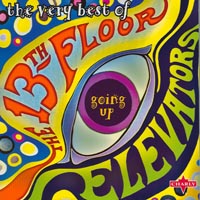
Diving deep into Bull of the Woods by The 13th Floor Elevators
Bull of the Woods- Album Overview
"Bull of the Woods," released in 1969, stands as a significant entry in the discography of The 13th Floor Elevators, a band often credited with pioneering the psychedelic rock genre. Produced by the legendary and often controversial figure, Lelan Rogers, this album was released on the International Artists label, marking a crucial moment in the band's evolution and its place in music history. The recording sessions took place in a time when the band's lineup was shifting; notably, it was one of the last albums to feature the mesmerizing vocals of Roky Erickson, who was integral to the band's sound.
The album consists of 10 tracks, including "Livin' on," "Bull of the Woods," and "Dust," encapsulating the band's unique blend of garage rock, psychedelia, and folk influences. The instrumentation is characterized by the use of electric jug, which became a signature element of The 13th Floor Elevators' sound. Lyrically, the songs explore themes of existentialism, love, and the psychedelic experience, reflecting the cultural milieu of the late 1960s. The album did not see the same commercial success as its predecessor, "Easter Everywhere," but has since gained recognition as a cult classic. It is often celebrated for its raw energy and innovative approach, influencing countless artists and bands in the genres of garage rock and psychedelia.
The album's singles, "You're Gonna Miss Me" and "Bull of the Woods," showcased the band's potential but failed to chart significantly upon release. However, over the decades, "Bull of the Woods" has been re-evaluated and is now appreciated for its artistic integrity and cultural significance, cementing The 13th Floor Elevators' legacy in the annals of rock history.
Review
The sound of "Bull of the Woods" is a captivating journey through the mind of Roky Erickson, whose vocals oscillate between hauntingly beautiful and intensely raw. The album’s production is emblematic of its era, capturing the essence of a band pushing the boundaries of conventional rock music. The integration of the electric jug creates a unique soundscape, distinguishing the album from contemporaries. Lyrically, it dives into abstract and surreal territories, with Erickson’s poetic musings often mirroring the psychedelic experiences that were popular in the counterculture of the late '60s. Tracks like "Dust" and "Livin' on" reflect a profound introspection that resonates even today, while songs like "Bull of the Woods" convey a more aggressive energy, showcasing the band’s versatility.
Artistically, the band maintained a vision that straddled both commercial appeal and avant-garde experimentation, a balancing act that makes "Bull of the Woods" a fascinating listen. It encapsulates the spirit of a time when music was an exploration of consciousness, making it a significant contribution to the psychedelic rock movement.
Highlights
- Innovative use of electric jug, creating a unique and memorable sound.
- Deeply introspective lyrics that explore themes of existence and love.
- Strong artistic vision that remained true to the psychedelic spirit of the era.
Weak points
- Production quality may feel raw compared to contemporary standards.
- Lack of commercial success at the time of release, which may have limited exposure.
- Some tracks may feel disjointed or experimental for mainstream listeners.
Overall evaluation
"Bull of the Woods" is a captivating testament to The 13th Floor Elevators' innovative spirit and artistic integrity. While it may not have achieved the commercial success of its predecessors, its cultural significance and influence on the psychedelic rock genre cannot be overstated.
Personal rating: 8/10 1967Easter Everywhere
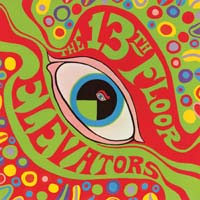 1966The Psychedelic Sounds of the 13th Floor Elevators