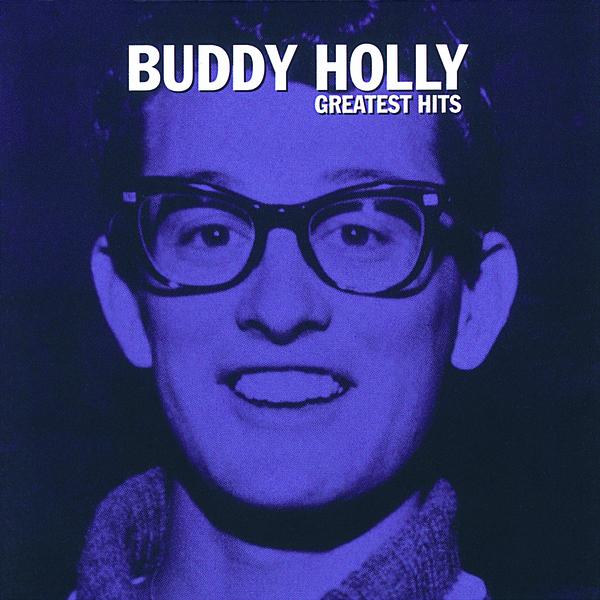
ALBUM NOTESA closer look at Buddy Holly-Buddy Holly "'s album Buddy Holly "
Album overview
Buddy Holly's self-titled album, released in 1958, is a significant piece of rock and roll history. The album features a mix of original songs and covers, showcasing Holly's unique songwriting ability and innovative sound. Produced by Norman Petty, the album was released under the Coral Records label following Holly's previous successes, including hits like "That'll Be the Day" and "Peggy Sue." The recording sessions took place in New Mexico, where Holly collaborated with his band, The Crickets, and notable musicians like Jerry Allison and Joe B. Mauldin.
The album includes iconic tracks such as "Oh, Boy!" and "Maybe Baby," which exemplify Holly's pioneering blend of rockabilly, pop, and country influences. Despite its relatively short runtime, the album's impact reverberated through the music industry, influencing countless artists and shaping the sound of rock music. Holly's use of unconventional song structures and heartfelt lyrics set him apart from his contemporaries, establishing him as one of the first true rock stars. The album's release came at a pivotal time in music history, just as rock and roll was beginning to take hold in American culture.
Buddy Holly's legacy continues to be celebrated, as his work paved the way for future generations of musicians, and this album remains a testament to his enduring influence.
Review
Buddy Holly's self-titled album is a delightful collection that perfectly encapsulates the essence of late 1950s rock and roll. The sound is characterized by a vibrant mix of catchy melodies and rhythmic guitar riffs that capture the youthful exuberance of the era. Holly's vocal delivery is both earnest and playful, particularly in tracks like "Oh, Boy!" where his enthusiasm is infectious.
Lyrically, the album explores themes of love and longing, delivered with Holly's signature wit and relatability. His ability to connect with listeners through personal yet universal experiences is a hallmark of his artistry. The production is clean and polished, yet retains an organic feel that allows the raw energy of the performances to shine through.
Holly's artistic vision was ahead of its time, as he experimented with song structures and harmonies that would later become staples in rock music. The blend of upbeat tracks with more introspective ballads adds depth to the album, making it a well-rounded listening experience. Overall, this album not only highlights Holly's talents but also serves as a crucial link in the evolution of rock music.
Highlights
- Innovative songwriting that blends rockabilly, pop, and country.
- Catchy and memorable melodies that remain timeless.
- Strong vocal performances that convey genuine emotion.
Weak points
- The album's short runtime may leave listeners wanting more.
- Some tracks may feel dated to modern audiences.
- Lack of diversity in musical style across the album's tracks.
Overall evaluation
Buddy Holly's self-titled album is a landmark in rock history, showcasing the artist's remarkable talent and influence. Despite its few shortcomings, it remains a vital listening experience for fans of the genre.
Personal rating: 8/10
```

 1958Buddy Holly