
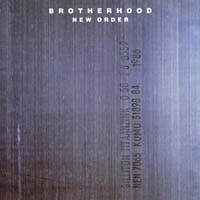
The evolution of New Order in Brotherhood
Brotherhood- Album Overview
Released on September 26, 1986, "Brotherhood" marks a significant milestone in New Order's evolution as a band. The album came out under the Factory Records label, a key player in the post-punk and electronic music scenes. Following the success of their previous album, "Low-Life," "Brotherhood" showcases a blend of synth-pop, rock, and dance music, solidifying New Order's reputation as pioneers in the electronic genre. The album was produced by Stephen Hague, alongside the band's members, and recorded at Strawberry Studios in Stockport, England, a well-known location for many iconic records.
The album features several standout tracks, including the hit singles "Bizarre Love Triangle" and "True Faith," both of which highlight the band's distinctive sound characterized by infectious melodies and layered synths. Lyrically, "Brotherhood" delves into themes of relationships, identity, and the complexities of love, wrapped in a danceable, upbeat sonic landscape. The album is also notable for its iconic cover art, designed by Peter Saville, which further reflects the artistic vision of the band.
"Brotherhood" was received positively by critics and fans alike, praised for its innovative approach and production quality. Its release came during a period of growing popularity for synth-driven music, making it culturally significant in the mid-1980s music scene. The album's influence can still be felt today, as it paved the way for future electronic music artists and remains a touchstone for fans of the genre.
Review
In "Brotherhood," New Order continues to refine their unique sound, merging the rhythmic sensibilities of dance music with the emotional depth of rock. The opening track, "Intro," sets an atmospheric tone, leading seamlessly into "Bizarre Love Triangle," which remains one of the band's most recognizable songs. The juxtaposition of upbeat instrumentals with introspective lyrics creates a compelling listening experience.
The band's ability to fuse different genres is particularly evident in tracks like "Angel Dust," where darker themes emerge amid the bright synth lines. Lyrically, the album reflects a maturity in New Order's songwriting, moving beyond the angst of youth to explore more complex emotional landscapes. This evolution is a testament to the band's growth as artists and their willingness to experiment with their sound.
Overall, "Brotherhood" stands as a landmark album that encapsulates New Order's artistic vision while also showcasing their ability to adapt and innovate within the rapidly changing musical landscape of the 1980s.
Highlights
- Memorable and infectious melodies that defined the era.
- Thoughtful lyrics that explore complex emotional themes.
- Groundbreaking production techniques that influenced future electronic music.
Weak points
- Some tracks may feel overshadowed by the more popular singles.
- A few moments of uneven pacing disrupt the album's flow.
- Not all listeners may resonate with the experimental soundscapes.
Overall evaluation
"Brotherhood" is a pivotal album that showcases New Order's growth while maintaining their signature sound. It represents a perfect blend of pop sensibility and artistic depth, solidifying the band's legacy in music history.
Personal rating: 8/10 2015Music Complete
 2013Lost Sirens
 1993Republic